Zen Masters
0
0
As an Amazon Associate and affiliate partner, Menrva Books earns from qualifying purchases. Learn more
Author Description
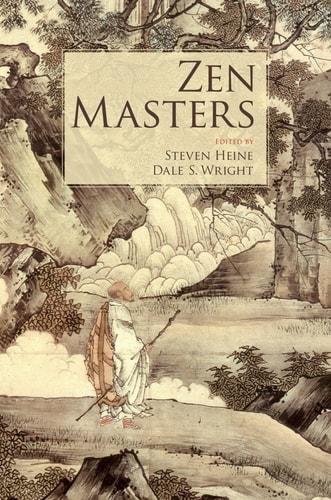
Extending their successful series of collections on Zen Buddhism, Heine and Wright present a fifth volume, on what may be the most important topic of all - Zen Masters. Following two volumes on Zen literature (Zen Classics and The Zen Canon) and two volumes on Zen practice (The Koan and Zen Ritual) they now propose a volume on the most significant product of the Zen tradition - the Zen masters who have made this kind of Buddhism the most renowned in the world by emphasizing the role of eminent spiritual leaders and their function in establishing centers, forging lineages, and creating literature and art. Zen masters in China, and later in Korea and Japan, were among the cultural leaders of their times. Stories about their comportment and powers circulated widely throughout East Asia. In this volume ten leading Zen scholars focus on the image of the Zen master as it has been projected over the last millennium by the classic literature of this tradition. Each chapter looks at a single prominent master. Authors assess the master's personality and charisma, his reported behavior and comportment, his relationships with teachers, rivals and disciplines, lines of transmission, primary teachings, the practices he emphasized, sayings and catch-phrases associated with him, his historical and social context, representations and icons, and enduring influences.
Menrva's Summary
THE THESIS
This volume investigates the historical and cultural significance of the Zen master as the central figure in the development and transmission of Zen Buddhism across East Asia. Editors Steven Heine and Dale Stuart Wright, both established scholars in Buddhist studies, curate a collection of essays that analyze how these figures functioned as spiritual leaders, lineage founders, and cultural icons. By examining the lives and representations of ten prominent masters, the contributors argue that the identity of the Zen master is a construct shaped by centuries of literature, art, and institutional needs.
THE SCOPE MAP
What You Will Find
- Historical analysis of Zen masters in China, Korea, and Japan over the last millennium.
- Examination of the relationship between spiritual charisma and institutional authority.
- Case studies focusing on individual masters, their lineages, and their primary teachings.
- Exploration of how literature and iconography have projected the image of the master to the public.
THE AUTHORITY PERSPECTIVE
Scholars and students of religious history identify this work as a significant contribution to the study of Zen hagiography and institutional development. Readers frequently note the academic density of the prose, which provides a rigorous framework for understanding the construction of spiritual authority in the Zen tradition.
Page Count:
291
Publication Date:
2010-04-22
Publisher:
Oxford University Press
ISBN-10:
0195367650
ISBN-13:
9780195367652
Biography
History
Religion
Philosophy
Buddhism
Zen
Zen Buddhism
Community Tags
Similar Books