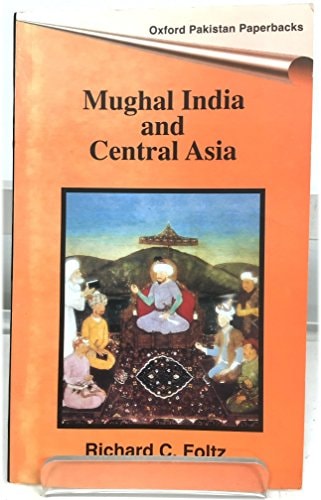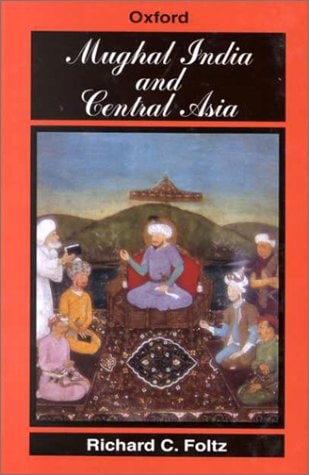
Mughal India and Central Asia
0
0
As an Amazon Associate and affiliate partner, Menrva Books earns from qualifying purchases. Learn more
Author Description
This book explores the Central Asian element in the formation of the civilization of Mughal India, focusing on the 16th and 17th centuries. The culture of the Mughal Empire is seen to be a composite of indigenous and foreign elements, many of which originated, like the Mughal rulers themselves, in Central Asia.
Menrva's Summary
THE THESIS
This book investigates the extent to which Central Asian cultural, political, and social influences shaped the development of the Mughal Empire in India during the 16th and 17th centuries. Richard C. Foltz, a scholar of Central Asian and Iranian history, utilizes historical records and cultural analysis to argue that the Mughal state was not merely an Indian entity but a synthesis of indigenous traditions and imported Central Asian legacies. By examining the origins of the Mughal ruling class, the text provides a framework for understanding the empire as a composite civilization.
THE SCOPE MAP
What You Will Find
- Analysis of the 16th and 17th-century Mughal political structure.
- Examination of Central Asian cultural and linguistic imports into the Indian subcontinent.
- Historical evidence regarding the migration and influence of the Timurid elite.
- Exploration of the synthesis between Persianate culture and local Indian traditions.
THE AUTHORITY PERSPECTIVE
Experts recognize this work as a concise and focused contribution to the study of Mughal origins and cross-regional cultural exchange. Scholars frequently cite the text for its clarity in connecting the Central Asian background of the Mughal rulers to the broader evolution of their imperial administration and courtly life.
Page Count:
220
Publication Date:
1999-01-07
Publisher:
Oxford University Press
ISBN-10:
0195777824
ISBN-13:
9780195777826
History
Mughal Empire
India - History
Asian History
Central Asia