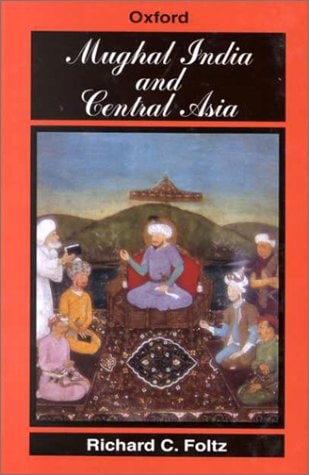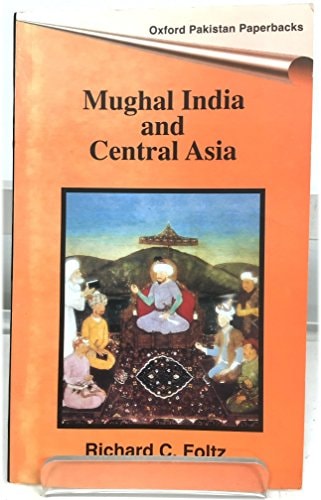
Mughal India and Central Asia
0
0
As an Amazon Associate and affiliate partner, Menrva Books earns from qualifying purchases. Learn more
Author Description
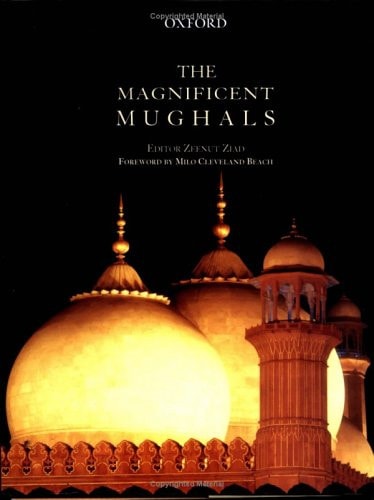
Mughal India and Central Asia explores the Central Asian element in the formation of the civilization of Mughal India, focusing on the sixteenth and seventeenth centuries. The culture of the Mughal Empire is seen to be a composite of indigenous and foreign elements, many of which originated, like the Mughal rulers themselves, in Central Asia. The author argues that the Muslim societies of the pre-colonial period in Asia should be studied in terms of their own self-perceptions, and not simply as backward projections of modern day realities and notions.
Menrva's Summary
THE THESIS
This work investigates the extent to which Central Asian cultural, political, and social influences shaped the development of the Mughal Empire in India during the sixteenth and seventeenth centuries. Richard C. Foltz, an academic specializing in religious studies, utilizes historical analysis to challenge the tendency of modern scholars to view pre-colonial Muslim societies through the lens of contemporary political realities. He argues for an approach that prioritizes the self-perceptions of the historical actors themselves, positioning the Mughal state as a sophisticated synthesis of indigenous Indian traditions and imported Central Asian heritage.
THE SCOPE MAP
What You Will Find
- Analysis of the sixteenth and seventeenth-century Mughal Empire
- Examination of the cultural and political links between India and Central Asia
- Discussion of historiographical methodologies for studying pre-colonial Muslim societies
- Evaluation of the composite nature of Mughal identity and governance
THE AUTHORITY PERSPECTIVE
Scholars and students of South Asian history recognize this text as a focused contribution to the study of cross-regional cultural exchange. Readers frequently note the academic density of the prose, which serves as a specialized resource for those interested in the intellectual history of the Mughal period.
Page Count:
220
Publication Date:
2099-11-30
Publisher:
Oxford University Press
ISBN-10:
0195795709
ISBN-13:
9780195795707
History
Asian History
Mughal Empire
Mogul Empire
Central Asia
Cultural History