From Anatolia to Aceh: Ottomans, Turks, and Southeast Asia
0
0
As an Amazon Associate and affiliate partner, Menrva Books earns from qualifying purchases. Learn more
Author Description
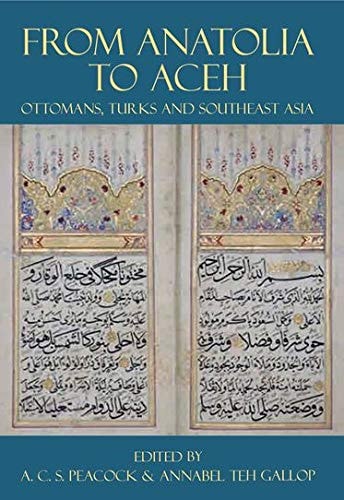
Southeast Asia has long been connected by trade, religion and political links to the wider world across the Indian Ocean, and especially to the Middle East through the faith of Islam. However, little attention has been paid to the ties between Muslim Southeast Asia - encompassing the modern nations of Indonesia, Malaysia, Brunei, Singapore and the southern parts of Thailand and the Philippines - and the greatest Middle Eastern power, the Ottoman empire.The first direct political contact took place in the 16th century, when Ottoman records confirm that gunners and gunsmiths were sent to Aceh in Sumatra to help fight against the Portuguese domination of the pepper trade. In the intervening centuries, the main conduit for contact between was the annual Hajj pilgrimage, and many Malay pilgrims from Southeast Asia spent long periods of study in the holy cities of Mecca and Medina, which were under Ottoman control from 1517 until the early 20th century. During the period of European colonial expansion in the 19th century, once again Malay states turned to Istanbul for help. It now appears that these demands for intervention from Southeast Asia may even have played an important role in the development of the Ottoman policy of Pan-Islamism, positioning the Ottoman emperor as Caliph and leader of Muslims worldwide and promoting Muslim solidarity.The papers in this volume represent the first attempt to bring together research on all aspects of the relationship between the Ottoman world and Southeast Asia - political, economic, religious and intellectual - much of it based on documents newly discovered in archives in Istanbul.
Menrva's Summary
THE THESIS
This volume investigates the historical, political, and religious dimensions of the relationship between the Ottoman Empire and the Muslim states of Southeast Asia. Edited by A. C. S. Peacock and Annabel Teh Gallop, the collection synthesizes archival research from Istanbul to challenge the historical oversight of these trans-regional connections. The contributors argue that these interactions, ranging from 16th-century military aid to 19th-century diplomatic appeals, were instrumental in shaping Ottoman Pan-Islamic policy and regional identity in the Malay world.
THE SCOPE MAP
What You Will Find
- Analysis of 16th-century military cooperation between the Ottoman Empire and the Sultanate of Aceh.
- Examination of the Hajj pilgrimage as a primary conduit for intellectual and religious exchange.
- Utilization of previously unexamined primary source documents from Ottoman archives in Istanbul.
- Exploration of the influence of Southeast Asian diplomatic requests on the development of Ottoman Pan-Islamism.
THE AUTHORITY PERSPECTIVE
Experts recognize this work as a foundational text for understanding the under-researched geopolitical ties between the Ottoman Empire and Southeast Asia. Scholars frequently note the academic density of the prose and the significance of the newly uncovered archival evidence presented in these proceedings.
Page Count:
300
Publication Date:
2015-03-30
Publisher:
British Academy
ISBN-10:
0197265812
ISBN-13:
9780197265819
History
International relations
Southeast Asia
Political History
Panislamism
Asian History
Islamic Studies
Community Tags
Similar Books