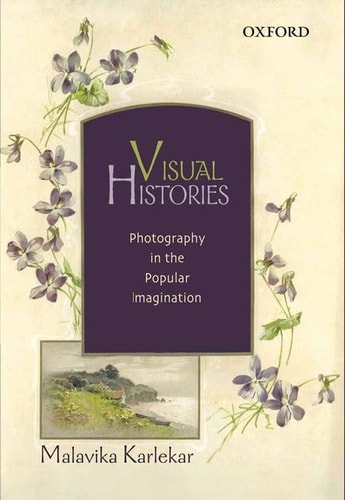
Visual Histories
0
0
As an Amazon Associate and affiliate partner, Menrva Books earns from qualifying purchases. Learn more
Author Description
Not much is known about how the coming of photography changed visual discourse or affected people's lives. Divided into two sections, this selection of 32 essays, each illustrated with archival photographs, looks at the camera in the colonial era and in post-independent India.In the nineteenth century, the camera and the studio became necessary prostheses in the new engagement between the colonized and the rulers. Europeans in India-of whom the British were the largest in number-were the initial users of the photographic studio. Early studio images of the sahib-civil servant, lawyer, tea planter, missionary, and so on-are among the first available visuals; soon the memsahib appeared at his side with or without self-conscious offspring. The events of 1857 marked a watershed in photography in India. By this time, as the urban middle classes started patronizing photographic studios, these became instrumental in fracturing notions of space and visibility: where the use of public space was governed by the discriminatory practices of race and gender, the photographic studio became a shared locale. Interestingly, Indian entrepreneurs started investing in studios and some like Lala Deen Dayal became noted photographers. The second section looks at some such moments, and studio photographs initially focused on the new Indian professional-the doctor, lawyer, engineer, and civil servant-and then with wife and children. It moves on to the emergence of the emancipated Indian woman, the horror of Partition, and finally to independent India and the work of Sunil Janah and Homai Vyarawalla.Together the 32 essays included in the volume document both: history through photographs and the history of photographs in India.
Menrva's Summary
THE THESIS
This collection of essays investigates how the introduction of photography transformed visual discourse and social identity in India from the colonial era through the post-independence period. Malavika Karlekar, an established scholar in gender and visual studies, utilizes archival photographs as primary evidence to analyze the shifting power dynamics between the colonized and the rulers. The text argues that the photographic studio functioned as a unique, shared space that challenged existing racial and gendered boundaries in public life. By examining the evolution of studio portraiture, the author provides a framework for understanding how visual representation mirrored the broader political and social transitions of the Indian subcontinent.
THE SCOPE MAP
What You Will Find
- Analysis of the photographic studio as a site of social negotiation during the colonial period.
- Historical documentation of the transition from British-dominated photography to the rise of Indian entrepreneurs like Lala Deen Dayal.
- Examination of visual representations of the Indian middle class, including professionals such as doctors, lawyers, and engineers.
- Critical review of the impact of major historical events, including the 1857 uprising and the Partition of India, on photographic practice.
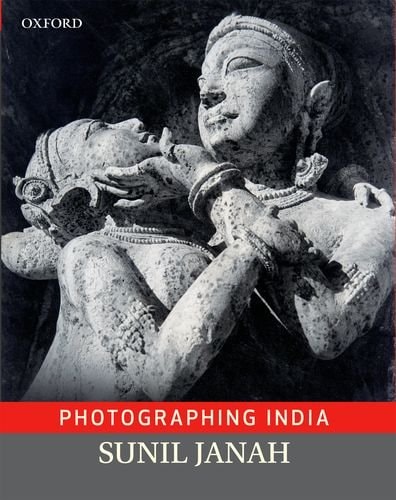
- Profiles of significant photographers such as Sunil Janah and Homai Vyarawalla.
THE AUTHORITY PERSPECTIVE
Scholars and historians frequently cite this work as a significant contribution to the study of colonial visual culture and the history of Indian photography. Readers note the accessibility of the essays, which successfully bridge the gap between academic historical analysis and the visual narrative provided by the archival images.
Page Count:
208
Publication Date:
2013-01-01
Publisher:
Oxford University Press
ISBN-10:
0198090269
ISBN-13:
9780198090267
History
Photography
Non-Fiction
PHOTOGRAPHY History
India
Art Indic
Community Tags
Similar Books