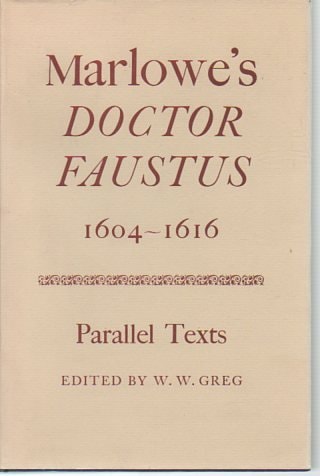
Doctor Faustus: Parallel Texts
0
0
As an Amazon Associate and affiliate partner, Menrva Books earns from qualifying purchases. Learn more
Author Description
The Tragical History of the Life and Death of Doctor Faustus, commonly referred to simply as Doctor Faustus, is an Elizabethan tragedy by Christopher Marlowe, based on German stories about the title character Faust, that was first performed sometime between 1588 and Marlowe's death in 1593. Two different versions of the play were published in the Jacobean era, several years later. The powerful effect of early productions of the play is indicated by the legends that quickly accrued around them—that actual devils once appeared on the stage during a performance, "to the great amazement of both the actors and spectators", a sight that was said to have driven some spectators mad.
Menrva's Summary
THE PULSE
A scholar trades his soul to the devil in exchange for twenty-four years of absolute power and forbidden knowledge. Doctor Faustus, a brilliant but dissatisfied academic, rejects traditional divinity and science in favor of necromancy. He summons the demon Mephistopheles to strike a bargain with Lucifer, trading his eternal soul for the ability to command spirits and satisfy his worldly desires. As the clock ticks toward his inevitable damnation, Faustus struggles with the consequences of his hubris and the persistent, haunting presence of his demonic servant. The narrative unfolds through a series of episodic encounters that test the limits of human ambition against the rigid constraints of divine judgment.
INSIDE THE PAGES
- Exploration of the conflict between Renaissance humanism and medieval religious morality
- Use of the morality play structure to frame a tragic downfall
- Inclusion of comic relief scenes that mirror the protagonist's descent into triviality
- Presentation of two distinct textual versions reflecting different performance traditions
- Focus on the psychological tension of a character facing eternal damnation
- Integration of supernatural elements and demonic manifestations
- Examination of the limitations of human knowledge and power
- Use of blank verse and prose to distinguish between high-minded ambition and base desire
THE COLLECTIVE ECHO
Readers and critics frequently analyze the play as a foundational exploration of the human desire for limitless power. Discussion often centers on the ambiguity of the two existing texts and how they alter the perception of Faustus's final moments. Many observers highlight the effectiveness of the play's atmosphere, noting how the constant threat of hellfire creates a sense of mounting dread. Scholars often debate whether the protagonist is a tragic hero or a cautionary figure of vanity. The work remains a central point of study for those interested in the transition from medieval to early modern theatrical conventions.
Page Count:
100
Publication Date:
1968-11-01
Publisher:
Clarendon P.
ISBN-10:
0198124023
ISBN-13:
9780198124023
Drama
Horror
classic
Genre Fiction
Renaissance
Dramas & Plays
Plays
Tragedy
British & Irish
Community Tags
Similar Books