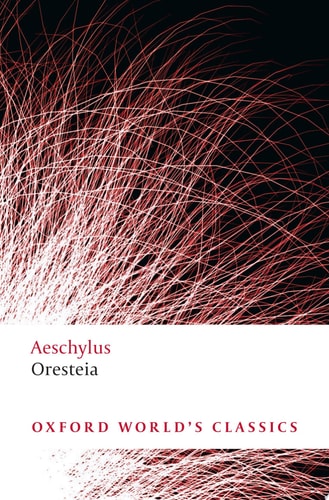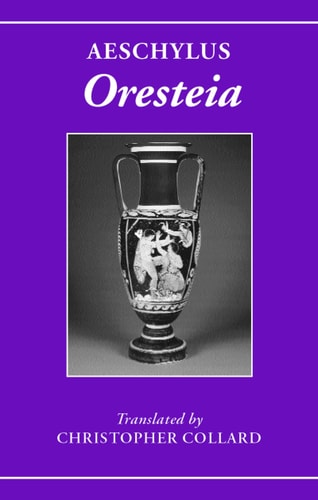
Aeschylus: Oresteia
0
0
As an Amazon Associate and affiliate partner, Menrva Books earns from qualifying purchases. Learn more
Author Description
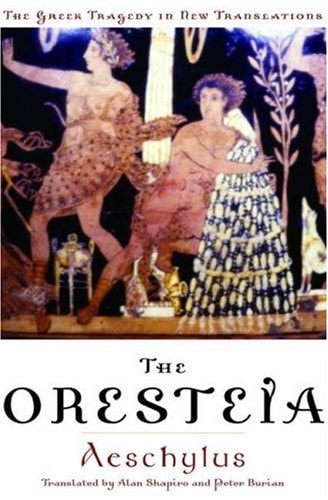
This new and close translation of Aeschylus' Oresteia tries to preserve its theatrical and poetic qualities: introductory and explanatory matter emphasizes the interconnection of scenes, ideas, and language that distinguishes this unique work, the only trilogy to survive from Greek tragedy.
Menrva's Summary
THE PULSE
The cycle of blood vengeance within the House of Atreus reaches a critical breaking point as the gods intervene in human justice. Following the return of Agamemnon from the Trojan War, the protagonist—and the lineage he represents—must navigate the consequences of past transgressions and the demands of divine retribution. The narrative framework utilizes a chorus to provide moral commentary and bridge the gap between the internal psychological states of the characters and the external, often violent, actions dictated by fate. The world is defined by the rigid constraints of ancient Greek social codes, where the duty to family often conflicts with the emerging necessity of civic law. Through a non-linear progression of events, the trilogy explores the transition from primitive blood feuds to the establishment of a formal judicial system.
INSIDE THE PAGES
- Use of a traditional Greek chorus to represent the collective voice of the citizenry.
- Exploration of the transition from archaic vengeance to democratic legal systems.
- Examination of the tension between divine will and human agency.
- Stylistic focus on poetic meter and rhythmic dialogue characteristic of Attic tragedy.
- Interconnection of thematic motifs across three distinct plays.
- Representation of the Furies as physical manifestations of ancestral guilt.
- Structural emphasis on the transformation of the Athenian judicial landscape.
- Integration of mythological history as a foundation for moral inquiry.
THE COLLECTIVE ECHO
Discussion often centers on the structural evolution of the trilogy, specifically how Aeschylus shifts the focus from individual vengeance to the collective stability of the state. Readers frequently highlight the intensity of the choral odes, which serve as both emotional anchors and philosophical inquiries into the nature of justice. Critics often note the effectiveness of the world-building, which manages to make ancient mythological concepts feel immediate and urgent through precise, evocative language. The balance between the visceral action of the murders and the intellectual debates of the final play remains a primary point of interest for scholars and casual readers alike. This work is widely regarded as a foundational text for understanding the development of Western dramatic form and political thought.
Page Count:
320
Publication Date:
2002-10-24
Publisher:
Oxford University Press
ISBN-10:
0198149670
ISBN-13:
9780198149675
Drama
Classics
Greek Mythology
Plays
Tragedy
Community Tags
Similar Books