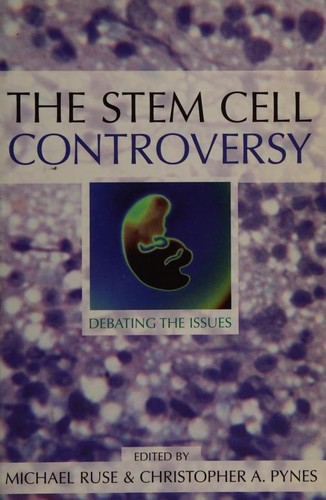
The Stem Cell Controversy
0
0
As an Amazon Associate and affiliate partner, Menrva Books earns from qualifying purchases. Learn more
Author Description
Recent advances in medical research have shown that embryonic stem cells can be used to treat some of the most debilitating diseases, notably Parkinson's disease, spinal injuries, and nerve cell damage. Yet the troubling ethical downside of this promising technology is that up till now the main source of stem cells has been tissue taken from aborted fetuses. This practice has raised sharp criticisms from opponents of abortion who charge that science is capitalizing on an abhorrent procedure. Proponents of stem cell research argue that scientists are making legitimate use of already aborted fetuses, and it is unfair to deprive those suffering from serious diseases and injuries of a potentially revolutionary therapy. The issue became so divisive that in August 2001, President Bush addressed the nation on new developments in stem cell research and the ethical dilemmas this technology poses. Should such research be permitted? What, if any, moral, religious, or political objections might be raised? Philosophers Michael Ruse and Christopher A. Pynes have compiled this valuable collection of articles by noted experts to address all aspects of this question by examining one of today's most challenging and fiercely debated new areas of science. They explain the scientific research, explore the medical promise that it offers, and present the many sides of the ethical, religious, and policy debate. The contributors -- scientists, medical practitioners, philosophers, theologians, historians, and policy analysts -- offer a variety of perspectives, to give readers the critical tools they need to shape an informed position on the topic. This important resource will be useful and accessible to educated readers with no prior knowledge of this contentious issue. - Back cover.
Menrva's Summary
THE THESIS
The discovery of embryonic stem cells' therapeutic potential is shadowed by profound ethical and moral quandaries. The book explores the scientific advancements in stem cell research, particularly their promise for treating debilitating diseases like Parkinson's and spinal injuries. However, it directly confronts the controversy stemming from the primary source of these cells—aborted fetuses—and the sharp criticisms from anti-abortion advocates. It also presents the counterarguments from proponents who emphasize the potential to revolutionize therapies for those suffering from severe conditions, highlighting the divisive nature of the issue that even prompted presidential intervention.
THE SCOPE MAP
- What You Will Find:
- Explanation of the scientific research behind embryonic stem cells.
- Exploration of the medical promise and potential treatments offered by stem cell therapy.
- Presentation of the ethical, religious, and policy debates surrounding stem cell research.
- Inclusion of diverse perspectives from scientists, medical practitioners, philosophers, theologians, historians, and policy analysts.
- Analysis of the moral objections raised against the use of fetal tissue.
- Discussion of the arguments for permitting stem cell research based on potential medical benefits.
- Examination of the political context, including President Bush's 2001 address on the topic.
THE AUTHORITY PERSPECTIVE
This collection of articles, compiled by Michael Ruse and Christopher A. Pynes, addresses the contentious issue of embryonic stem cell research by presenting a wide array of expert viewpoints. The contributors, drawn from scientific, medical, philosophical, theological, historical, and policy analysis fields, offer a balanced examination of both the scientific promise and the ethical dilemmas. The book aims to equip educated readers, even those without prior knowledge of the subject, with the critical tools needed to form an informed position on this fiercely debated area of science. It serves as a valuable resource for understanding the multifaceted nature of the stem cell controversy.
Page Count:
308
Publication Date:
2003-01-01
ISBN-10:
1591020301
ISBN-13:
9781591020301
Religion
Politics
Science
Non-Fiction
Philosophy
Medical Ethics
Bioethics
Science Policy
Community Tags
Similar Books