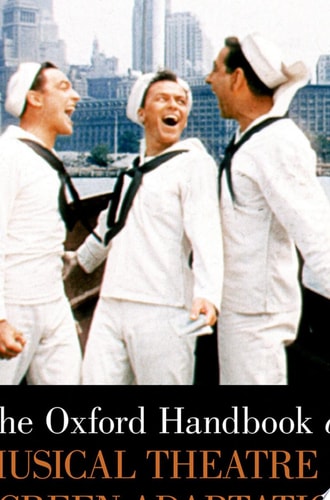
The Oxford Handbook of Musical Theatre Screen Adaptations
0
0
As an Amazon Associate and affiliate partner, Menrva Books earns from qualifying purchases. Learn more
Author Description
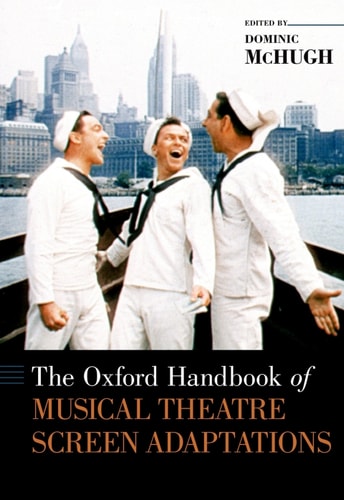
Hollywood's conversion to sound in the 1920s created an early peak in the film musical, following the immense success of The Jazz Singer. The opportunity to synchronize moving pictures with a soundtrack suited the musical in particular, since the heightened experience of song and dance drew attention to the novelty of the technological development. Until the near-collapse of the genre in the 1960s, the film musical enjoyed around thirty years of development, as landmarks such as The Wizard of Oz, Meet Me in St Louis, Singin' in the Rain, and Gigi showed the exciting possibilities of putting musicals on the silver screen. The Oxford Handbook of Musical Theatre Screen Adaptations traces how the genre of the stage-to-screen musical has evolved, starting with screen adaptations of operettas such as The Desert Song and Rio Rita, and looks at how the Hollywood studios in the 1930s exploited the publication of sheet music as part of their income. Numerous chapters examine specific screen adaptations in depth, including not only favorites such as Annie and Kiss Me, Kate but also some of the lesser-known titles like Li'l Abner and Roberta and problematic adaptations such as Carousel and Paint Your Wagon. Together, the chapters incite lively debates about the process of adapting Broadway for the big screen and provide models for future studies.
Menrva's Summary
THE THESIS
This volume investigates the complex evolution, industrial strategies, and artistic challenges inherent in the adaptation of stage musicals for the cinematic medium. Editor Dominic McHugh, a recognized scholar in musicology and theatre, compiles a series of academic essays that examine the historical trajectory of the film musical from the advent of synchronized sound in the 1920s through the genre's mid-century decline and beyond. The text utilizes a combination of archival research, industrial history, and formal analysis to argue that the transition from stage to screen is a multifaceted negotiation between technological novelty, commercial viability, and artistic interpretation.
THE SCOPE MAP
What You Will Find
- Historical analysis of the film musical from the 1920s to the 1960s.
- Examination of the economic relationship between Hollywood studios and sheet music publication.
- Case studies of both canonical successes and critically problematic adaptations.
- Theoretical frameworks for evaluating the fidelity and transformation of source material.
Scope Limits
- The text focuses primarily on the transition from stage to screen rather than original screen musicals.
- The analysis is bounded by the historical development of the genre, with limited focus on contemporary 21st-century stage-to-screen trends.
THE AUTHORITY PERSPECTIVE
Scholars and film historians identify this handbook as a rigorous, comprehensive resource for understanding the mechanics of musical adaptation. Readers frequently note the academic density of the prose, which serves as a foundational reference for students and researchers in the fields of musicology and cinema studies.
Page Count:
689
Publication Date:
2019-01-01
Publisher:
Oxford University Press
ISBN-10:
019005154X
ISBN-13:
9780190051549
Music
Humanities - Music - Musicals
Film Adaptations
Academic
Musical theatre
Theatre History
history music
Broadway & Musical Revue
Film Studies
Criticism history
Cinema History