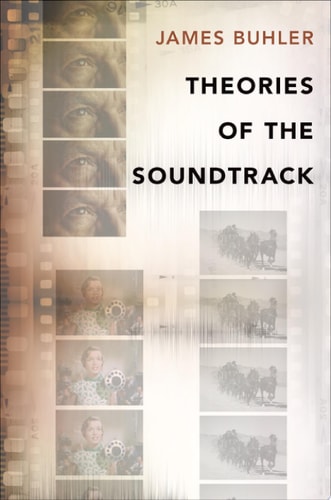
Theories of the Soundtrack
0
0
As an Amazon Associate and affiliate partner, Menrva Books earns from qualifying purchases. Learn more
Author Description
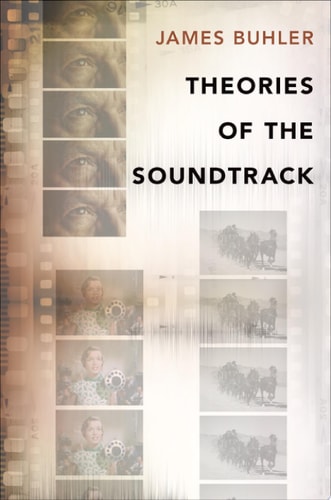
A theory of the soundtrack is concerned with what belongs to the soundtrack, how a soundtrack is effectively organized, how its status in a multimedia object affects the nature of the object, the tools available for its analysis, and the interpretive regime that the theory mandates for determining the meaning, sense, and structure that sound and music bring to film and other audiovisual media. Beyond that, a theory may also delineate the range of possible uses of sound and music, classify the types of relations that films have used for image and sound, identify the central problems, and reflect on and describe effective uses of sound in film. This book summarizes and critiques major theories of the soundtrack from roughly 1929 until today. Rather than providing an exhaustive historical survey, it sketches out the range of theoretical approaches that have been applied to the soundtrack since the commercial introduction of the sound film. The basic theoretical framework of each approach is presented, taking into account the explicit and implicit claims about the soundtrack and its relation to other theories. The organization is both chronological and topical, the former in that the chapters move steadily from early film theory through models of the classical system to more recent critical theories; the latter in that the chapters highlight central issues for each generation: the problem of film itself, then of image and sound, of adequate analytical-descriptive models, and finally of critical-interpretative models.
Menrva's Summary
THE THESIS
This book investigates the foundational questions of what constitutes a film soundtrack and how its structural organization influences the meaning of audiovisual media. James Buhler, a scholar in music and media studies, synthesizes and critiques the evolution of soundtrack theory from the inception of sound film in 1929 to the present day. He provides a framework that evaluates how sound and music interact with visual elements, offering a critical lens through which to analyze the interpretive regimes governing cinematic sound.
THE SCOPE MAP
What You Will Find
- A chronological and topical analysis of film sound theory.
- Critiques of major theoretical models from the classical era to contemporary critical theory.
- Examination of the relationship between image, sound, and narrative structure.
Scope Limits
- The text does not provide an exhaustive historical survey of every film soundtrack ever produced.
- It focuses on theoretical frameworks rather than practical technical instruction for sound engineering.
THE AUTHORITY PERSPECTIVE
Scholars and students of film musicology frequently cite this work as a comprehensive overview of the theoretical landscape surrounding cinematic sound. Readers often note the academic density of the prose, which serves as a rigorous resource for those engaged in advanced media analysis.
Page Count:
336
Publication Date:
2018-01-01
Publisher:
Oxford University Press
ISBN-10:
0190913231
ISBN-13:
9780190913236
Music
Sound design
Criticism history
Theory
Humanities
Film & Video
Film Studies
Media Studies
Academic
Community Tags
Other Editions(3)

Similar Books