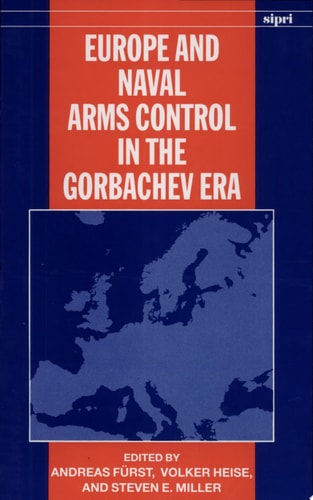
Europe and Naval Arms Control in the Gorbachev Era
0
0
As an Amazon Associate and affiliate partner, Menrva Books earns from qualifying purchases. Learn more
Author Description
For most of the Cold War naval arms control was the forgotten dimension of arms control. Beginning in the late 1980s, however, it has become increasingly prominent in the East-West dialogue. But it is usually studied from the perspective of Soviet-American relations. This book examines the subject from a European perspective. What role might naval arms control play in the European context? What impact might naval arms control have on the interests and perceptions of European states? What opportunities for and obstacles to naval arms control exist in Europe? The authors address these questions, describing the naval interests and attitudes towards naval arms control of European coastal states, as well as the Soviet Union and the United States, in the Norwegian, Baltic, and Mediterranean seas.
Menrva's Summary
THE THESIS
This book investigates the strategic role and potential for naval arms control within the European theater during the late Cold War period. The authors, Andreas Fürst, Steven E. Miller, and Volker Heise, utilize a combination of geopolitical analysis and regional security studies to shift the focus from the traditional Soviet-American bilateral framework toward a more nuanced European-centric perspective. By examining the specific naval interests of coastal states, the text argues that regional security dynamics in the Norwegian, Baltic, and Mediterranean seas are critical to understanding the broader evolution of arms control dialogue.
THE SCOPE MAP
What You Will Find
- Analysis of naval interests for European coastal states, the Soviet Union, and the United States.
- Regional security assessments covering the Norwegian, Baltic, and Mediterranean seas.
- Examination of the obstacles and opportunities for naval arms control in the European context.
- A shift in analytical focus from bilateral superpower relations to multilateral European perspectives.
THE AUTHORITY PERSPECTIVE
Experts recognize this monograph as a foundational text for understanding the specific regional complexities of naval diplomacy during the Gorbachev era. Readers frequently note the academic density of the prose and the thoroughness of the regional case studies provided by the authors.
Page Count:
360
Publication Date:
1993-02-11
Publisher:
Stockholm International Peace Research Institute
ISBN-10:
0198291523
ISBN-13:
9780198291527
History
Military History
Arms Control
International relations
Sea-power
Cold War
Community Tags
Similar Books