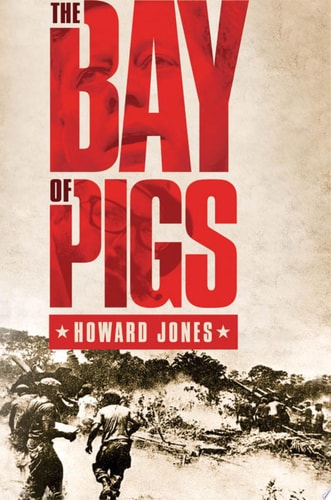
The Bay of Pigs
0
0
As an Amazon Associate and affiliate partner, Menrva Books earns from qualifying purchases. Learn more
Author Description
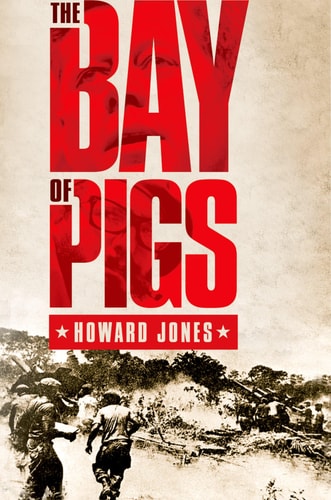
In The Bay Of Pigs, Howard Jones Provides A Concise, Incisive, And Dramatic Account Of The Disastrous Attempt To Overthrow Castro In April 1961. Drawing On Recently Declassified Cia Documents, Jones Deftly Examines The Train Of Missteps And Self-deceptions That Led To The Invasion Of U.s.-trained Exiles At The Bay Of Pigs. Ignoring Warnings From The Ambassador To Cuba, The Eisenhower Administration Put In Motion An Operation That Proved Nearly Unstoppable Even After The Inauguration Of John F. Kennedy. The Cia And Pentagon, Meanwhile, Both Voiced Confidence In The Outcome Of The Invasion, Especially After Coordinating Previous Successful Coups In Guatemala And Iran. And So The Kennedy Administration Launched The Exile Force Toward Its Doom In Cochinos Bay On April 17, 1961. Jones Gives A Riveting Account Of The Battle--and The Confusion In The White House--before Moving On To Explore Its Implications. The Bay Of Pigs, He Writes, Set The Course Of Kennedy's Foreign Policy. It Was A Humiliation For The Administration That Fueled Fears Of Communist Domination And Pushed Kennedy Toward A Hardline Cold Warrior Stance. But At The Same Time, The Failed Attack Left Him Deeply Skeptical Of Cia And Military Advisers And Influenced His Later Actions During The Cuban Missile Crisis.
Menrva's Summary
THE THESIS
This book investigates the systemic failures and strategic miscalculations that culminated in the disastrous 1961 Bay of Pigs invasion. Howard Jones, a distinguished historian, utilizes recently declassified CIA documents to reconstruct the decision-making processes within the Eisenhower and Kennedy administrations. He argues that a combination of institutional hubris, flawed intelligence, and a reliance on previous successful coups created an unstoppable momentum toward military failure. The text serves as a critical examination of how this specific humiliation fundamentally altered the trajectory of American foreign policy during the Cold War.
THE SCOPE MAP
What You Will Find
- Detailed analysis of the transition from the Eisenhower to the Kennedy administration regarding Cuban policy.
- Examination of the internal dynamics and communication breakdowns between the CIA, the Pentagon, and the White House.
- Primary source evidence derived from declassified government documents and intelligence reports.
- An assessment of the invasion's long-term impact on the Cuban Missile Crisis and Kennedy's skepticism toward military advisors.
THE AUTHORITY PERSPECTIVE
Historians and political analysts frequently cite this work as a definitive, accessible account of the operation's logistical and political failures. Experts highlight the book's ability to synthesize complex intelligence records into a clear narrative that remains foundational for understanding Cold War decision-making.
Page Count:
272
Publication Date:
2008-01-01
Publisher:
Ebsco Publishing
ISBN-10:
0199721300
ISBN-13:
9780199721306
Biography
History
Military History
Cold War
United States
International relations