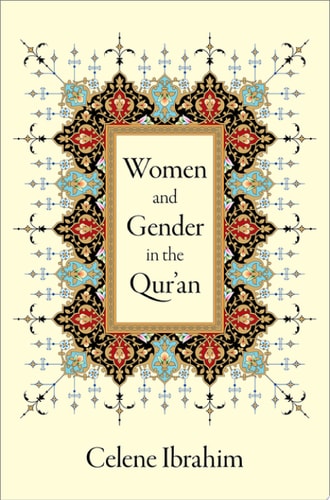
Women and Gender in the Qur'an
0
0
As an Amazon Associate and affiliate partner, Menrva Books earns from qualifying purchases. Learn more
Author Description
Stories about gendered social relations permeate the Qur'an, and nearly three hundred verses involve specific women or girls. The Qur'an features these figures in accounts of human origins, in stories of the founding and destruction of nations, in narratives of conquest, in episodes of romantic attraction, and in incidents of family devotion and strife. Overall, stories involving women and girls weave together theology and ethics to reinforce central Qur'anic ideas regarding submission to God and moral accountability.Celene Ibrahim explores the complex cast of female figures in the Qur'an, probing themes related to biological sex, female sexuality, female speech, and women in sacred history. Ibrahim considers major and minor figures referenced in the Qur'an, including those who appear in narratives of sacred history, in parables, in descriptions of the eternal abode, and in verses that allude to events contemporaneous with the advent of the Qur'an in Arabia. Ibrahim finds that the Qur'an regularly celebrates the aptitudes of women in the realms of spirituality and piety, in political maneuvering, and in safeguarding their own wellbeing; yet, women figures also occasionally falter and use their agency toward nefarious ends. Women and Gender in the Qur'an outlines how women and girls - old, young, barren, fertile, chaste, profligate, reproachable, and saintly -enter Qur'anic sacred history and advance the Qur'an's overarching didactic aims.
Menrva's Summary
THE THESIS
This work investigates how the Qur'an utilizes female figures and gendered narratives to articulate its core theological and ethical frameworks. Celene Ibrahim, a scholar of Islamic studies, examines nearly three hundred verses to determine how the text constructs gendered social relations. By analyzing both major and minor female figures, the author argues that these narratives serve as didactic tools to reinforce concepts of moral accountability and submission to the divine.
THE SCOPE MAP
What You Will Find
- Analysis of female figures in narratives of sacred history, parables, and eschatological descriptions.
- Examination of themes including female speech, sexuality, and political agency.
- A comprehensive review of verses referencing women in both historical and contemporaneous contexts.
Scope Limits
- The text focuses primarily on the Qur'anic text itself rather than later exegetical traditions or hadith literature.
- It does not provide a sociological study of contemporary Muslim women's lives.
THE AUTHORITY PERSPECTIVE
Scholars and students of Islamic theology recognize this text as a rigorous examination of the Qur'an's internal gender dynamics. Readers frequently note the academic density of the prose and the author's meticulous attention to the specific textual evidence provided within the Qur'anic verses.
Page Count:
232
Publication Date:
2020-10-01
Publisher:
Oxford University Press
ISBN-10:
0190063815
ISBN-13:
9780190063818
Religion
New Used & Rental Textbooks
Theology
Womens Studies
Women in the Qurʼan
Gender Studies
Islam
Quran
Middle Eastern
Women in Islam