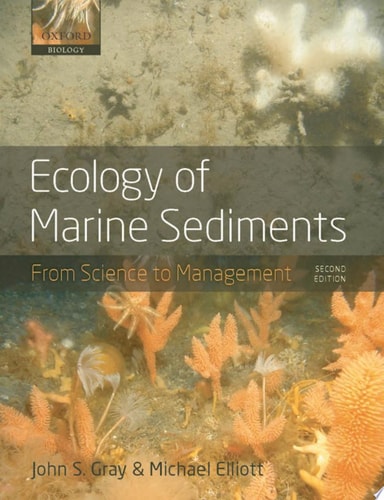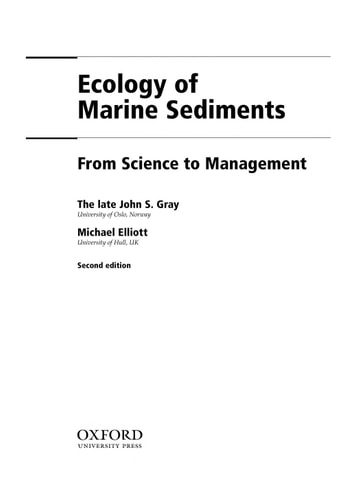
Ecology of Marine Sediments: From Science to Management
0
0
As an Amazon Associate and affiliate partner, Menrva Books earns from qualifying purchases. Learn more
Author Description
Marine sediments provide the largest habitat on planet earth, yet knowledge of the structure and function of their flora and fauna continues to be poorly described in current textbooks. This concise, readable introduction to benthic ecology builds upon the strengths of the previous edition but has been thoroughly revised throughout to incorporate the new technologies and methods that have allowed a rapid and ongoing development of the field. It explores the relationship between community structure and function, and the selection of global examples ensures an international appeal and relevance. The economic value of marine sediments increases daily, reflected in the text with a new emphasis on pollution, climate change, conservation, and management. This accessible textbook is suitable for both advanced undergraduate and graduate students who have had a general ecology course, but no further training in benthic ecology. It will also be of relevance and use to professional researchers and consultants in marine ecology and environmental science who seek a compact but comprehensive introduction to benthic ecology.
Menrva's Summary
THE THESIS
This text investigates the complex ecological structure and functional dynamics of marine sediments while addressing the critical need for effective management in the face of anthropogenic change. Authors John S. Gray and Michael Elliot, both established experts in marine biology, synthesize current research to bridge the gap between theoretical benthic ecology and practical environmental application. The book utilizes a global dataset to illustrate how community composition responds to environmental stressors, providing a framework for students and professionals to evaluate the health of these vast, often overlooked habitats.
THE SCOPE MAP
What You Will Find
- Analysis of the relationship between benthic community structure and ecosystem function.
- Integration of modern technological methodologies used in contemporary marine research.
- Examination of anthropogenic impacts including pollution, climate change, and habitat conservation.
- Practical management strategies for the economic and ecological preservation of marine sediment environments.
THE AUTHORITY PERSPECTIVE
Experts and academics frequently cite this work as a foundational, concise introduction for students transitioning from general ecology to specialized benthic studies. Readers often note the balance between technical rigor and accessibility, making it a standard reference for both university curricula and professional environmental consulting.
Page Count:
256
Publication Date:
2009-03-25
Publisher:
Oxford University Press
ISBN-10:
0198569025
ISBN-13:
9780198569022
Science
Marine Biology
Benthos
Ecology
Marine Ecology
textbook
Community Tags
Similar Books