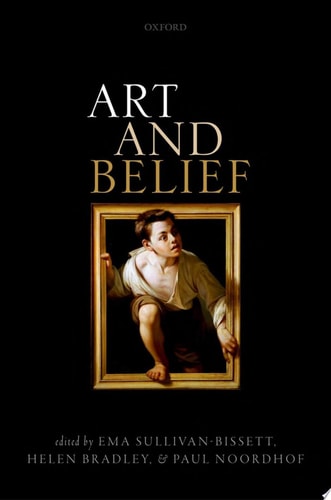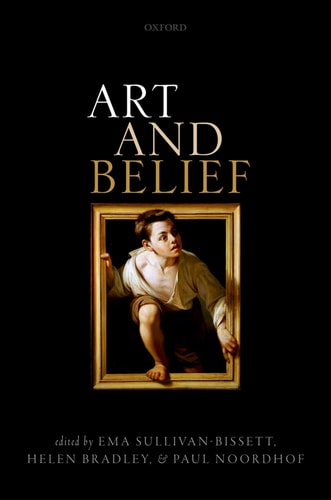
Art and Belief
0
0
As an Amazon Associate and affiliate partner, Menrva Books earns from qualifying purchases. Learn more
Author Description
Art and Belief presents twelve new essays at the intersection of philosophy of mind and philosophy of art, particularly to do with the relation between belief and truth in our experience of art. Several contributors discuss the cognitive contributions artworks can make and the questions surrounding these. Can authors of fiction testify to their readers? If they can, are they culpable for the false beliefs of their readers formed in response to their work? If they cannot, that is, if the testimonial powers of authors of fiction are limited, is there some non-testimonial epistemic role that fiction can play? And in any case, is such a role relevant when determining the value of the work?Also explored are issues concerned with the phenomenon of fictional persuasion, specifically, what is the nature of the attitude involved in such cases (those in which we form beliefs about the real world in response to reading fiction)? If these attitudes are typically unstable, unjustified, and unreliable, does this put pressure on the view that they are beliefs? If these attitudes are beliefs, does this put pressure on the view that all beliefs are aimed at truth?The final pair of papers in the volume take different stances on the nature of aesthetic testimony, and whether testimony of this kind is a legitimate source of beliefs about aesthetic properties and value.
Menrva's Summary
THE THESIS
This volume investigates the complex epistemic relationship between artistic engagement and the formation of belief. The editors, Ema Sullivan-Bissett, Helen Bradley, and Paul Noordhof, curate a collection of twelve original essays that examine how fiction influences reader cognition and whether aesthetic experience serves as a legitimate source of knowledge. By analyzing the intersection of philosophy of mind and art, the contributors challenge traditional assumptions regarding truth-aiming beliefs and the testimonial capacity of authors.
THE SCOPE MAP
What You Will Find
- Analysis of the testimonial powers of fiction authors and their culpability for reader misconceptions.
- Examination of the nature of fictional persuasion and the stability of beliefs formed through narrative engagement.
- Investigation into the epistemic role of fiction when it does not function as direct testimony.
- Comparative study of aesthetic testimony and its validity as a source for understanding aesthetic properties and value.
THE AUTHORITY PERSPECTIVE
Experts identify this collection as a rigorous contribution to the philosophy of art, suitable for advanced students and scholars in the field. Readers frequently note the academic density of the prose, which requires a strong background in epistemology and cognitive philosophy to fully navigate the arguments presented.
Page Count:
272
Publication Date:
2017-12-26
Publisher:
Oxford University Press
ISBN-10:
0198805403
ISBN-13:
9780198805403
Philosophy
Art
Epistemology
Aesthetics
Community Tags
Other Editions(3)
Similar Books