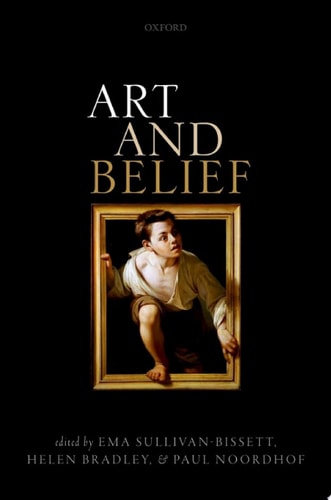
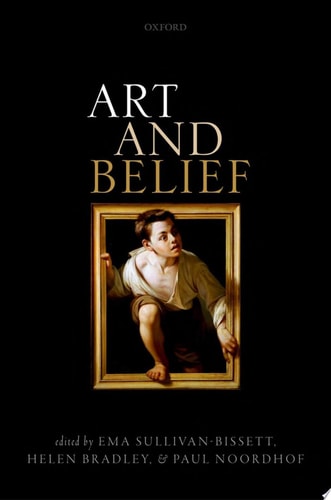
Art and Belief
0
0
As an Amazon Associate and affiliate partner, Menrva Books earns from qualifying purchases. Learn more
Author Description
Art and Belief presents twelve new essays at the intersection of philosophy of mind and philosophy of art, particularly to do with the relation between belief and truth in our experience of art. Several contributors discuss the cognitive contributions artworks can make and the questions surrounding these. Can authors of fiction testify to their readers? If they can, are they culpable for the false beliefs of their readers formed in response to their work? If they cannot, that is, if the testimonial powers of authors of fiction are limited, is there some non-testimonial epistemic role that fiction can play? And in any case, is such a role relevant when determining the value of the work? Also explored are issues concerned with the phenomenon of fictional persuasion, specifically, what is the nature of the attitude involved in such cases (those in which we form beliefs about the real world in response to reading fiction)? If these attitudes are typically unstable, unjustified, and unreliable, does this put pressure on the view that they are beliefs? If these attitudes are beliefs, does this put pressure on the view that all beliefs are aimed at truth? The final pair of papers in the volume take different stances on the nature of aesthetic testimony, and whether testimony of this kind is a legitimate source of beliefs about aesthetic properties and value.
Menrva's Summary
THE THESIS
This volume investigates the complex epistemic relationship between artistic engagement and the formation of belief. The editors, Ema Sullivan-Bissett, Helen Bradley, and Paul Noordhof, curate a collection of twelve original essays that examine how fiction influences reader cognition, the nature of fictional persuasion, and the legitimacy of aesthetic testimony. By bridging philosophy of mind and aesthetics, the contributors analyze whether fiction functions as a source of knowledge or if it merely induces unstable, non-truth-aiming attitudes.
THE SCOPE MAP
What You Will Find
- Analysis of the testimonial capacity of fiction authors and their potential culpability for reader misconceptions.
- Examination of the cognitive mechanisms behind fictional persuasion and real-world belief formation.
- Philosophical debate regarding the nature of aesthetic testimony and the acquisition of knowledge about aesthetic value.
Scope Limits
- The text does not provide a comprehensive history of aesthetics or art theory.
- It does not offer practical guides for artistic creation or literary criticism.
THE AUTHORITY PERSPECTIVE
Experts identify this collection as a specialized contribution to contemporary analytic aesthetics and epistemology. Readers frequently note the academic density of the prose, which is intended for scholars and advanced students of philosophy.
Page Count:
266
Publication Date:
2017-01-01
Publisher:
OUP Oxford
ISBN-10:
0192527924
ISBN-13:
9780192527929
Philosophy
Mind & Body
Aesthetics
Epistemology
Humanities
Art Criticism
Philosophy of
Community Tags
Other Editions(3)
Similar Books