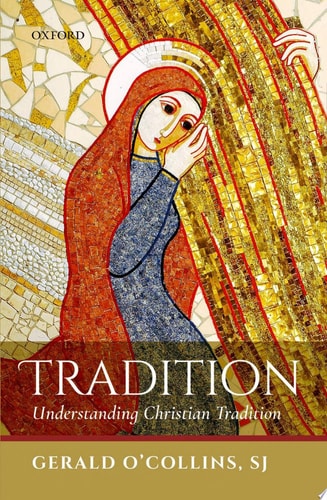
Tradition: Understanding Christian Tradition
0
0
As an Amazon Associate and affiliate partner, Menrva Books earns from qualifying purchases. Learn more
Author Description
A 1963 report on tradition from the Faith and Order Commission of the World Council of Churches signalled a substantial convergence between the churches over Christian tradition and its relationship to Scripture. However, since the 1960s theologians have regularly ignored the theme of tradition. The few who have discussed this theme have not used the help provided by some sociologists towards understanding the role of tradition in human and religious life: for instance, as being all-pervasive and as shaping the identity of various societies and groups. The process and presence of Christian tradition embrace baptism and other sacraments, Bible, creeds and other doctrines, art, architecture, hymns, pilgrimages, literature, the celebration of Christmas, Easter and other feasts, and much else besides. Particular traditions can call for scrutiny and reform. Tradition: Understanding Christian Tradition proposes various criteria (e.g. the message of the Scriptures and spiritual experience) for discerning and evaluating specific traditions. Through the power of the Holy Spirit, the risen Christ himself is the central Tradition (upper case) at the heart of all Christian traditions. The Spirit remains the primary bearer of the Church's tradition; the secondary agents of tradition include not only ordained ministers but also all the baptized faithful. In the history of Christianity, tradition has interpreted and actualized the Scriptures, but has also been interpreted and challenged by them. An appendix explains the insights coming from specialists in the study of collective memory; their work also sheds light on the workings of Christian tradition.
Menrva's Summary
THE THESIS
This work investigates the nature, function, and evaluation of Christian tradition within the context of contemporary theological discourse. Gerald O'Collins, a prominent Jesuit theologian, addresses the historical neglect of this theme since the 1960s by integrating sociological insights into the study of religious identity. He argues that the risen Christ serves as the central, unifying Tradition, while secondary agents—including all baptized faithful—actively participate in the ongoing process of interpreting and actualizing the faith.
THE SCOPE MAP
What You Will Find
- Analysis of the relationship between Christian tradition and Scripture
- Sociological frameworks for understanding tradition as a shaper of group identity
- Criteria for the scrutiny and reform of specific religious traditions
- Examination of the role of the Holy Spirit and the baptized faithful in maintaining tradition
- Insights from collective memory studies applied to religious history
THE AUTHORITY PERSPECTIVE
Scholars and theologians recognize this text as a significant contribution to ecclesiology that successfully bridges the gap between sociological theory and traditional theology. Readers frequently note the clarity of the author's prose and the utility of his proposed criteria for evaluating the validity of diverse religious practices.
Page Count:
160
Publication Date:
2019-01-08
Publisher:
Oxford University Press
ISBN-10:
0198830300
ISBN-13:
9780198830306
Religion
Christianity
Theology
Church History
Community Tags
Similar Books