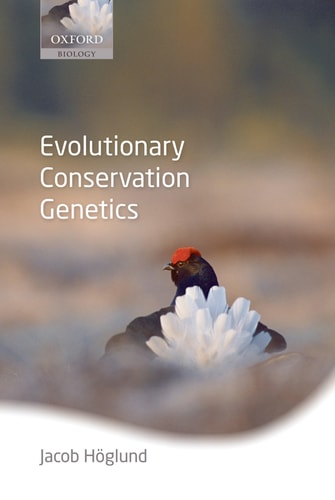
Evolutionary Conservation Genetics
0
0
As an Amazon Associate and affiliate partner, Menrva Books earns from qualifying purchases. Learn more
Author Description
Conservation genetics focuses on understanding the role and requirement of genetic variation for population persistence. However, considerable debate now surrounds the role of genetic factors (as opposed to non-genetic factors such as habitat destruction etc.) in population extinction, and a comprehensive synthesis is now timely. Can extinction be explained by habitat destruction alone or is lack of genetic variation a part of the explanation? The book thoroughly reviews the arguments for a role of genetics in the present biodiversity crisis. It describes the methods used to study genetic variation in endangered species and examines the influence of genetic variation in the extinction of species.To date, conservation genetics has predominantly utilized neutral genetic markers e.g. microsatellites. However, with the recent advances in molecular genetics and genomics it will soon be possible to study 'direct gene action', following the fate of genetic variation at the level of DNA, through expression, to proteins in order to determine how such phenotypes fare in populations of free living organisms. Evolutionary Conservation Genetics explores these exciting avenues of future research potential, integrating ecological quantitative genetics with the new genome science. It is now more important than ever that we ask relevant questions about the evolutionary fate of endangered populations throughout the globe and incorporate our knowledge of evolutionary processes and the distribution of genetic diversity into effective conservation planning and action.
Menrva's Summary
THE THESIS
This book investigates whether the loss of genetic variation serves as a primary driver of species extinction alongside environmental factors like habitat destruction. Author Jacob Höglund, a specialist in evolutionary biology, synthesizes current research to evaluate the intersection of genetic health and population persistence. He argues that while conservation efforts have historically focused on neutral markers, the integration of genomics and quantitative ecology is necessary to understand the evolutionary fate of endangered species. The text provides a framework for incorporating these advanced molecular insights into practical conservation planning.
THE SCOPE MAP
What You Will Find
- Analysis of the role of genetic variation in population extinction versus environmental degradation
- Review of methodologies for studying genetic variation in endangered species
- Integration of ecological quantitative genetics with modern genome science
- Discussion on the transition from neutral genetic markers to direct gene action and expression analysis
THE AUTHORITY PERSPECTIVE
Experts recognize this text as a bridge between traditional conservation genetics and emerging genomic technologies. Readers frequently note the academic density of the prose, which serves as a technical resource for researchers and students in the field of biodiversity conservation.
Page Count:
208
Publication Date:
2009-05-05
Publisher:
Oxford University Press
ISBN-10:
0199214220
ISBN-13:
9780199214228
Science
Conservation
Evolution
Evolutionary genetics
Population genetics
Evolutionary Biology
Ecology
Genetics
Biology
Community Tags
Other Editions(3)

Similar Books