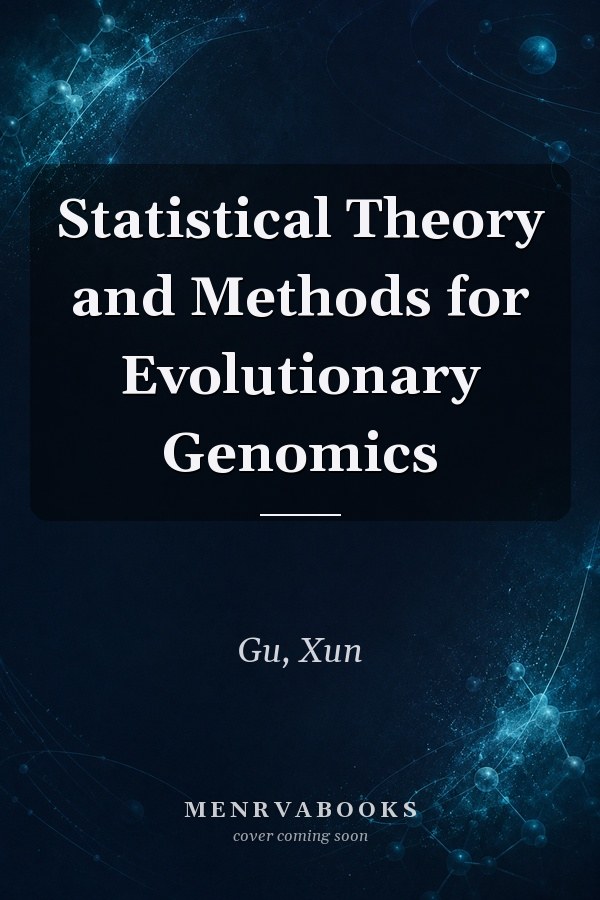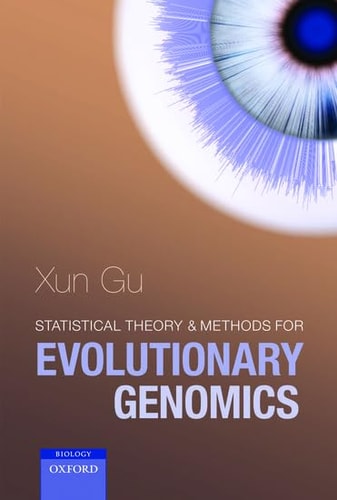
Statistical Theory and Methods for Evolutionary Genomics
0
0
As an Amazon Associate and affiliate partner, Menrva Books earns from qualifying purchases. Learn more
Author Description
Evolutionary genomics is a relatively new research field with the ultimate goal of understanding the underlying evolutionary and genetic mechanisms for the emergence of genome complexity under changing environments. It stems from an integration of high throughput data from functional genomics, statistical modeling and bioinformatics, and the procedure of phylogeny-based analysis.Statistical Theory and Methods for Evolutionary Genomics summarizes the statistical framework of evolutionary genomics, and illustrates how statistical modeling and testing can enhance our understanding of functional genomic evolution. The book reviews the recent developments in methodology from an evolutionary perspective of genome function, and incorporates substantial examples from high throughput data in model organisms. In addition to phylogeny-based functional analysis of DNA sequences, the author includes extensive discussion on how new types of functional genomic data (e.g. microarray) can provide exciting new insights into the evolution of genome function, which can lead in turn to an understanding of the emergence of genome complexity during evolution.
Menrva's Summary
THE THESIS
This book investigates the statistical frameworks and methodologies required to interpret high-throughput genomic data within the context of evolutionary biology. Author Xun Gu, a specialist in bioinformatics and evolutionary genomics, synthesizes complex statistical modeling techniques to explain how genome complexity emerges and evolves under environmental pressures. The text bridges the gap between functional genomics and phylogeny-based analysis, providing a rigorous mathematical foundation for researchers to test evolutionary hypotheses using modern biological datasets.
THE SCOPE MAP
What You Will Find
- Statistical modeling frameworks for functional genomic evolution
- Methodologies for phylogeny-based analysis of DNA sequences
- Integration of high-throughput data, including microarray analysis
- Case studies utilizing model organisms to demonstrate evolutionary mechanisms
THE AUTHORITY PERSPECTIVE
Experts recognize this text as a specialized resource for researchers and graduate students working at the intersection of statistics and genomics. Readers frequently note the technical density of the prose, which assumes a strong background in both quantitative methods and molecular biology.
Page Count:
272
Publication Date:
2010-12-30
Publisher:
Oxford University Press
ISBN-10:
0199213267
ISBN-13:
9780199213269
Science
Statistics
Bioinformatics
Genomics
Genetics
Evolutionary Biology
Community Tags
Similar Books