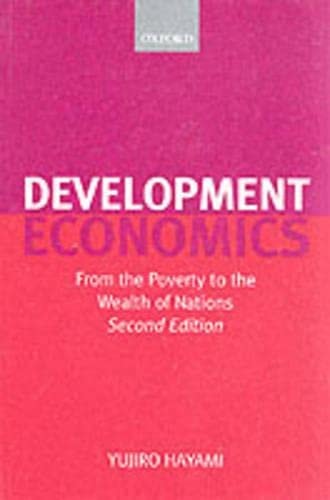
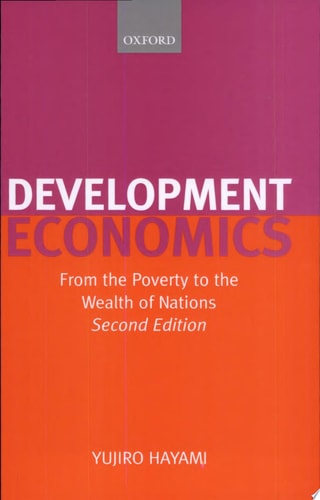
Development Economics: From the Poverty to the Wealth of Nations
0
0
As an Amazon Associate and affiliate partner, Menrva Books earns from qualifying purchases. Learn more
Author Description
A comprehensive and systematic account of the core topics in development economics, this book examines the reasons why a few countries have achieved a high level of affluence while the majority remain poor and stagnant. It represents an original combination of classical political economy, modern institutional theory, and current development issues, bound together through the East Asian development experience. This fully revised second edition also analyzes some recent changes and newly emerged problems relevant to the global economy.
Menrva's Summary
THE THESIS
This book investigates the fundamental economic mechanisms that explain the persistent disparity between affluent nations and those trapped in poverty. Yujiro Hayami, a distinguished economist, synthesizes classical political economy with modern institutional theory to construct a framework for understanding global development. By utilizing the East Asian economic trajectory as a primary case study, the author evaluates how policy, institutional structure, and historical context dictate long-term national prosperity. The text provides a systematic analysis of why certain development strategies succeed while others result in stagnation.
THE SCOPE MAP
What You Will Find
- Comparative analysis of economic growth patterns across diverse global regions.
- Integration of classical political economy with contemporary institutional theory.
- Examination of the East Asian development experience as a model for growth.
- Evaluation of modern global economic challenges and emerging structural problems.
THE AUTHORITY PERSPECTIVE
Experts recognize this work as a foundational text for understanding the intersection of historical development and modern economic policy. Readers frequently note the academic density of the prose, which makes it a standard reference for students and practitioners in the field of development economics.
Page Count:
416
Publication Date:
2001-04-19
Publisher:
Oxford University Press
ISBN-10:
0199243972
ISBN-13:
9780199243976
Economics
Global Studies
Community Tags
Other Editions(2)
Similar Books