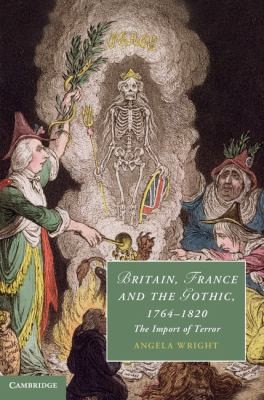
Britain, France and the Gothic, 1764–1820: The Import of Terror
0
0
As an Amazon Associate and affiliate partner, Menrva Books earns from qualifying purchases. Learn more
Author Description
In describing his proto-Gothic fiction, The Castle of Otranto (1764), as a translation, Horace Walpole was deliberately playing on national anxieties concerning the importation of war, fashion and literature from France in the aftermath of the Seven Years' War. In the last decade of the eighteenth century, as Britain went to war again with France, this time in the wake of revolution, the continuing connections between Gothic literature and France through the realms of translation, adaptation and unacknowledged borrowing led to strong suspicions of Gothic literature taking on a subversive role in diminishing British patriotism. Angela Wright explores the development of Gothic literature in Britain in the context of the fraught relationship between Britain and France, offering fresh perspectives on the works of Walpole, Radcliffe, 'Monk' Lewis and their contemporaries.
Menrva's Summary
THE THESIS
This book investigates the complex and often fraught relationship between British and French literary and cultural influences on the development of Gothic literature in Britain between 1764 and 1820. Angela Wright examines how national anxieties, particularly concerning French imports in the wake of the Seven Years' War and the French Revolution, shaped the reception and perception of Gothic literature. The study explores how translation, adaptation, and borrowing from French works led to suspicions that Gothic literature might undermine British patriotism. Wright offers new interpretations of key authors such as Horace Walpole, Ann Radcliffe, and 'Monk' Lewis within this specific historical and political context.
THE SCOPE MAP
- Analysis of Horace Walpole's 'The Castle of Otranto' and its deliberate framing as a translation.
- Exploration of national anxieties surrounding French cultural and literary imports in late 18th-century Britain.
- Examination of the impact of the French Revolution on the perception of Gothic literature and its potential subversiveness.
- Detailed study of translation, adaptation, and unacknowledged borrowing between British and French Gothic texts.
- Fresh perspectives on the works of key Gothic authors including Ann Radcliffe and 'Monk' Lewis.
- Contextualization of Gothic literature within the political and cultural relationship between Britain and France.
- Discussion of how Gothic literature was perceived as potentially diminishing British patriotism.
THE AUTHORITY PERSPECTIVE
The book is recognized for its detailed exploration of the cultural and political context surrounding the development of British Gothic literature. It offers a nuanced perspective on the influence of French literary trends and national anxieties during a period of significant geopolitical tension. The work is noted for providing fresh insights into the oeuvres of prominent Gothic authors and their engagement with cross-cultural literary exchange. This scholarly approach positions the book as a valuable contribution to the study of literary history and Gothic studies.
Page Count:
214
Publication Date:
2013-01-01
ISBN-10:
110703406X
ISBN-13:
9781107034068
Literary Fiction
History
Fiction
Non-Fiction
Literary Criticism
Cultural History
Gothic
French literature
British literature
Community Tags
Similar Books