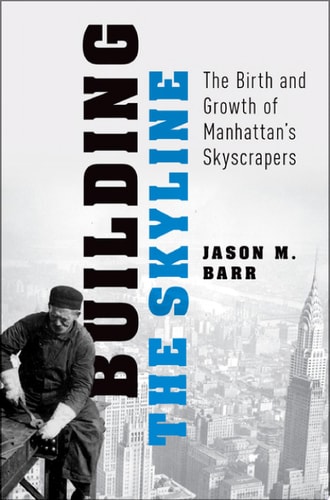
Building the Skyline
0
0
As an Amazon Associate and affiliate partner, Menrva Books earns from qualifying purchases. Learn more
Author Description
The Manhattan Skyline Is One Of The Great Wonders Of The Modern World. But How And Why Did It Form? Much Has Been Written About The City's Architecture And Its General History, But Little Work Has Explored The Economic Forces That Created The Skyline. In Building The Skyline, Jason Barr Chronicles The Economic History Of The Manhattan Skyline. In The Process, He Debunks Some Widely Held Misconceptions About The City's History. Starting With Manhattan's Natural And Geological History, Barr Moves On To How These Formations Influenced Early Land Use And The Development Of Neighborhoods, Including The Dense Tenement Neighborhoods Of Five Points And The Lower East Side, And How These Early Decisions Eventually Impacted The Location Of Skyscrapers Built During The Skyscraper Revolution At The End Of The 19th Century. Barr Then Explores The Economic History Of Skyscrapers And The Skyline, Investigating The Reasons For Their Heights, Frequencies, Locations, And Shapes. He Discusses Why Skyscrapers Emerged Downtown And Why They Appeared Three Miles To The North In Midtown-but Not In Between The Two Areas. Contrary To Popular Belief, This Was Not Due To The Depths Of Manhattan's Bedrock, Nor The Presence Of Grand Central Station. Rather, Midtown's Emergence Was A Response To The Economic And Demographic Forces That Were Taking Place North Of 14th Street After The Civil War. Building The Skyline Also Presents The First Rigorous Investigation Of The Causes Of The Building Boom During The Roaring Twenties. Contrary To Conventional Wisdom, The Boom Was Largely A Rational Response To The Economic Growth Of The Nation And City. The Last Chapter Investigates The Value Of Manhattan Island And The Relationship Between Skyscrapers And Land Prices. Finally, An Epilogue Offers Policy Recommendations For A Resilient And Robust Future Skyline.
Menrva's Summary
THE THESIS
This book investigates the underlying economic forces and historical conditions that dictated the physical development and vertical growth of the Manhattan skyline. Jason M. Barr, an economist, utilizes historical data and urban theory to challenge conventional narratives regarding New York City's architectural evolution. By examining geological constraints, demographic shifts, and market incentives, the author constructs a framework that explains why skyscrapers emerged in specific locations and at particular times throughout the city's history.
THE SCOPE MAP
What You Will Find
- Analysis of Manhattan's geological history and its influence on early land use patterns.
- Economic investigation into the skyscraper boom of the 1920s and its rational market drivers.
- Comparative study of downtown versus midtown development patterns post-Civil War.
- Policy recommendations for the future resilience and sustainability of urban vertical density.
THE AUTHORITY PERSPECTIVE
Experts and urban historians frequently cite this work for its rigorous application of economic theory to architectural history, noting its success in debunking long-standing myths about Manhattan's bedrock. Readers appreciate the balance between technical economic analysis and accessible historical narrative, making it a foundational text for understanding urban development.
Page Count:
256
Publication Date:
2016-01-01
Publisher:
Oxford University Press
ISBN-10:
019934437X
ISBN-13:
9780199344376
History
Economics
Architecture
urban planning
Community Tags
Similar Books