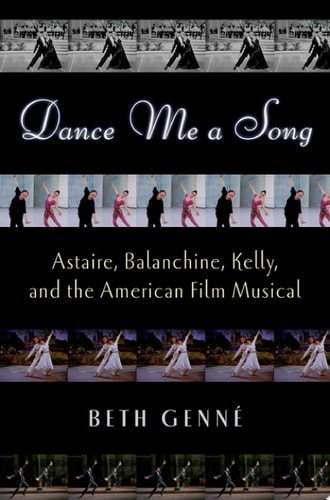
Dance Me a Song
0
0
As an Amazon Associate and affiliate partner, Menrva Books earns from qualifying purchases. Learn more
Author Description
Dancer-choreographer-directors Fred Astaire, George Balanchine And Gene Kelly And Their Colleagues Helped To Develop A Distinctively Modern American Film-dance Style And Recurring Dance Genres For The Songs And Stories Of The American Musical. Freely Crossing Stylistic And Class Boundaries, Their Dances Were Rooted In The Diverse Dance And Music Cultures Of European Immigrants And African-american Migrants Who Mingled In Jazz Age America. The New Technology Of Sound Cinema Let Them Choreograph And Fuse Camera Movement, Light, And Color With Dance And Music. Preserved Intact For The Largest Audiences In Dance History, Their Works Continue To Influence Dance And Film Around The World. This Book Centers Them And Their Colleagues Within The History Of Dance (where Their Work Has Been Marginalized) As Well As Film Tracing Their Development From Broadway To Hollywood (1924-58) And Contextualizing Them Within The American History And Culture Of Their Era. This Modern Style, Like The Nation In Which It Developed, Was Pluralist And Populist. It Drew From Aspects Of The Old World And New, High And Low, Theatrical And Social Dance Forms, Creating New Sites For Dance From The Living Room To The Street. A Definitive Ingredient Was The Freer More Informal Movement And Behavior Of Their Jazz-age Generation, Which Fit With Song Lyrics That Poeticized Slangy American English. The Gershwins, Rodgers And Hart, And Others Wrote Not Only Songs But Extended Dance-driven Scores Tailored To Their Choreography, Giving A New Prominence To The Choreographer And Dancer-actor. This Book Discuss How These Choreographers Collaborated With Directors Like Vincente Minnelli And Stanley Donen And Cinematographers Like Gregg Toland, Musicians, Dancers, Designers And Technicians To Synergize Music And Moving Image In New Ways. Eventually, Concepts And Visual-musical Devices Derived From Dance-making Would Give Entire Films The Rhythmic Flow And Feeling Of Dance. Dancing Americans Came To Be Seen Around
Menrva's Summary
THE THESIS
How did the collaboration between dancer-choreographer-directors and their creative teams define the evolution of the modern American film-dance style between 1924 and 1958? Beth Genné, a scholar of dance and film history, examines the intersection of choreography, cinematography, and music during the golden age of the American musical. By analyzing the contributions of figures like Fred Astaire, George Balanchine, and Gene Kelly, the author argues that these artists synthesized diverse cultural influences—ranging from European traditions to African-American jazz—to create a uniquely pluralist and populist cinematic language. The text positions these choreographers as central architects of film history, moving beyond their traditional marginalization in academic dance studies.
THE SCOPE MAP
What You Will Find
- An analysis of the transition of dance from Broadway stages to Hollywood sound cinema.
- Examination of the technical synergy between choreography, camera movement, lighting, and color.
- Historical context regarding the influence of Jazz Age culture and immigrant experiences on American performance.
- Case studies of collaborative relationships between choreographers, directors like Vincente Minnelli, and cinematographers like Gregg Toland.
THE AUTHORITY PERSPECTIVE
Experts recognize this work as a significant contribution to the study of film-dance, successfully bridging the gap between dance history and cinematic analysis. Readers frequently note the depth of the research, which provides a comprehensive look at the technical and cultural factors that shaped the American musical.
Page Count:
377
Publication Date:
2018-01-01
Publisher:
Oxford University Press
ISBN-10:
0199700338
ISBN-13:
9780199700332
Biography
Music History
Film History
American History
Dance
Community Tags
Other Editions(2)
Similar Books



Reader Comments
Share Your Thoughts
No comments yet. Be the first to share your thoughts!