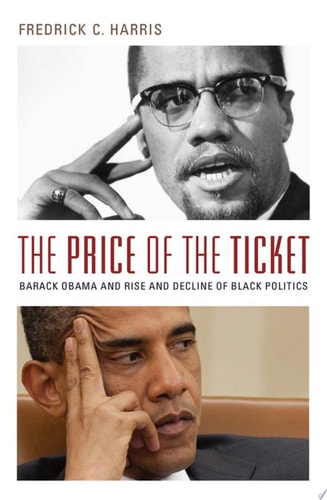
The Price of the Ticket: Barack Obama and the Rise and Decline of Black Politics
0
0
As an Amazon Associate and affiliate partner, Menrva Books earns from qualifying purchases. Learn more
Author Description
The Historical Significance Of Barack Obama's Triumph In The Presidential Election Of 2008 Scarcely Requires Comment. Yet It Contains An Irony: He Won A Victory As An African American Only By Denying That He Should Discuss Issues That Target The Concerns Of African Americans. Obama's Very Success, Writes Fredrick Harris, Exacted A Heavy Cost On Black Politics. In The Price Of The Ticket, Harris Puts Obama's Career In The Context Of Decades Of Black Activism, Showing How His Election Undermined The Very Movement That Made It Possible. The Path To His Presidency Began Just Before Passage Of The 1965 Voting Rights Act, When Black Leaders Began To Discuss Strategies To Make The Most Of Their New Access To The Ballot. Some Argued That Black Voters Should Organize Into A Cohesive, Independent Bloc To Promote Both Targeted And Universal Polices; Others Urged A More Race-neutral Approach, Working Together With Other Racial Minorities As Well As Like-minded Whites. This Has Been The Fundamental Divide Within Black Politics Ever Since. At First, The Gap Did Not Seem Serious. But The Post-civil-rights Era Has Accelerated A Shift Towards Race-neutral Politics. Obama Made A Point Of Distancing Himself From Older Race-conscious Black Leaders, Such As Jesse Jackson- And Leaders Of The Congressional Black Caucus-even Though, As Harris Shows, He Owes Much To Jackson's Earlier Campaigns For The White House. Unquestionably Obama's Approach Won Support Among Whites, But Harris Finds The Results Troublesome. The Social Problems Targeted By An Earlier Generation Of Black Politicians--racial Disparities In Income And Education, Stratospheric Incarceration And Unemployment Rates--all Persist, Yet Obama's Election, Ironically, Marginalized Those Issues, Keeping Them Off The Political Agenda. Meanwhile, The Civil-rights Movement's Militancy To Attack The Vestiges Of Racial Inequality Is Fading. Written By One Of America's Leading Scholars Of Race And Politics, The Price Of The Ticket Will Re
Menrva's Summary
THE THESIS
This book investigates the paradox of Barack Obama's presidency, questioning how his electoral success simultaneously marginalized the specific policy concerns of the Black political movement that facilitated his rise. Frederick C. Harris, a professor of political science, utilizes historical analysis and political theory to examine the tension between race-conscious activism and the shift toward race-neutral political strategies in the post-civil rights era. He argues that the pursuit of broad electoral coalitions has come at the expense of addressing persistent racial disparities in areas such as incarceration, unemployment, and education.
THE SCOPE MAP
What You Will Find
- Historical analysis of Black political strategy from the 1965 Voting Rights Act to the present.
- Comparative study of race-conscious versus race-neutral political frameworks.
- Evaluation of the influence of figures like Jesse Jackson on modern presidential campaigns.
- Critique of the decline in political militancy regarding systemic racial inequality.
THE AUTHORITY PERSPECTIVE
Scholars and political analysts frequently cite this work as a critical examination of the internal conflicts within modern Black political movements. The text is recognized for its rigorous academic approach to the intersection of electoral success and social policy advocacy.
Page Count:
232
Publication Date:
2012-01-01
Publisher:
Oxford University Press, Incorporated
ISBN-10:
0199876444
ISBN-13:
9780199876440
History
Politics
Biography
Political Activists
African Americans
Sociology
Community Tags
Other Editions(2)
Similar Books

Reader Comments
Share Your Thoughts
No comments yet. Be the first to share your thoughts!