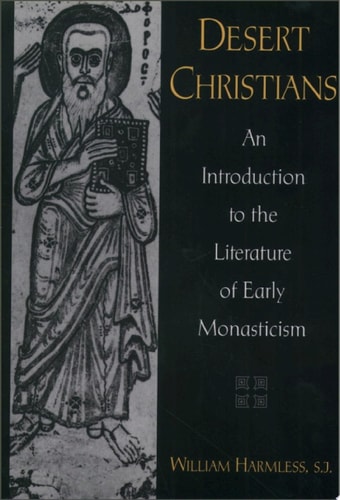
Desert Christians: An Introduction to the Literature of Early Monasticism
0
0
As an Amazon Associate and affiliate partner, Menrva Books earns from qualifying purchases. Learn more
Author Description
In the fourth century, the deserts of Egypt became the nerve center of a radical new movement, what we now call monasticism. Groups of Christians-from illiterate peasants to learned intellectuals-moved out to the wastelands beyond the Nile Valley and, in the famous words of Saint Athanasius, made the desert a city. In so doing, they captured the imagination of the ancient world. They forged techniques of prayer and asceticism, of discipleship and spiritual direction, that have remained central to Christianity ever since. Seeking to map the soul's long journey to God and plot out the subtle vagaries of the human heart, they created and inspired texts that became classics of Western spirituality. These Desert Christians were also brilliant storytellers, some of Christianity's finest. This book introduces the literature of early monasticism. It examines all the best-known works, including Athanasius' Life of Antony, the Lives of Pachomius, and the so-called Sayings of the Desert Fathers. Later chapters focus on two pioneers of monastic theology: Evagrius Ponticus, the first great theoretician of Christian mysticism; and John Cassian, who brought Egyptian monasticism to the Latin West. Along the way, readers are introduced to path-breaking discoveries-to new texts and recent archeological finds-that have revolutionized contemporary scholarship on monastic origins. Included are fascinating snippets from papyri and from little-known Coptic, Syriac, and Ethiopic texts. Interspersed in each chapter are illustrations, maps, and diagrams that help readers sort through the key texts and the richly-textured world of early monasticism. Geared to a wide audience and written in clear, jargon-free prose, Desert Christians offers the most comprehensive and accessible introduction to early monasticism.
Menrva's Summary
THE THESIS
This book investigates the origins and literary output of the early Christian monastic movement in the Egyptian deserts during the fourth century. William Harmless, a scholar of early Christian history, utilizes a combination of primary source analysis and recent archaeological findings to reconstruct the spiritual and social landscape of these ascetic communities. The work argues that the monastic movement was not merely a retreat from society, but a sophisticated intellectual and spiritual project that fundamentally shaped Western Christian theology and practice.
THE SCOPE MAP
What You Will Find
- Analysis of foundational texts including the Life of Antony, the Lives of Pachomius, and the Sayings of the Desert Fathers.
- Examination of the theological contributions of Evagrius Ponticus and John Cassian.
- Integration of primary source material from Coptic, Syriac, and Ethiopic papyri.
- Visual aids including maps, diagrams, and illustrations of the monastic environment.
THE AUTHORITY PERSPECTIVE
Scholars and students of theology frequently cite this work as a primary introductory text due to its accessible, jargon-free prose. Experts highlight the author's ability to synthesize complex historical data into a coherent narrative that remains useful for both academic study and general interest.
Page Count:
512
Publication Date:
2004-01-01
Publisher:
Oxford University Press
ISBN-10:
0199883041
ISBN-13:
9780199883042
History
Spirituality
Religion
Monasticism
Special Topics
Ancient History
Christian literature
Christianity
Community Tags
Similar Books














