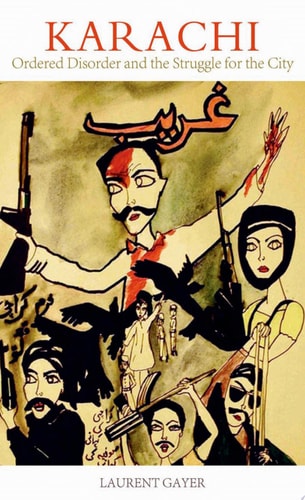
Karachi
0
0
As an Amazon Associate and affiliate partner, Menrva Books earns from qualifying purchases. Learn more
Author Description
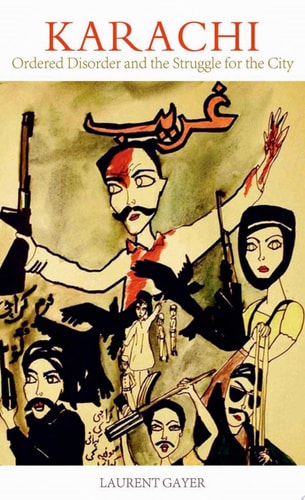
With An Official Population Approaching Fifteen Million, Karachi Is One Of The Largest Cities In The World. It Is Also The Most Violent. Since The Mid-1980s, It Has Endured Endemic Political Conflict And Criminal Violence, Which Revolve Around Control Of The City And Its Resources (votes, Land And Bhatta-protection Money). These Struggles For The City Have Become Ethnicized. Karachi, Often Referred To As A Pakistan In Miniature, Has Become Increasingly Fragmented, Socially As Well As Territorially. Despite This Chronic State Of Urban Political Warfare, Karachi Is The Cornerstone Of The Economy Of Pakistan. Gayer's Book Is An Attempt To Elucidate This Conundrum. Against Journalistic Accounts Describing Karachi As Chaotic And Ungovernable, He Argues That There Is Indeed Order Of A Kind In The City's Permanent Civil War. Far From Being Entropic, Karachi's Polity Is Predicated Upon Organisational, Interpretative And Pragmatic Routines That Have Made Violence Manageable For Its Populations. Whether Such Ordered Disorder Is Viable In The Long Term Remains To Be Seen, But For Now Karachi Works Despite-and Sometimes Through-violence.
Menrva's Summary
THE THESIS
This book investigates how a major metropolis like Karachi maintains functional economic and social systems despite enduring decades of endemic political and criminal violence. Laurent Gayer, a researcher specializing in South Asian urban politics, utilizes extensive fieldwork and historical analysis to challenge the perception of the city as merely chaotic or ungovernable. He proposes that Karachi operates through a complex, albeit violent, framework of organizational routines and pragmatic social structures that allow the city to persist as a vital economic hub.
THE SCOPE MAP
What You Will Find
- Analysis of the ethnicization of urban political conflict since the 1980s.
- Examination of the competition for resources including land, votes, and protection money.
- A theoretical framework for understanding 'ordered disorder' in urban environments.
Scope Limits
- The text focuses primarily on political and criminal structures rather than providing a comprehensive cultural or architectural history of the city.
THE AUTHORITY PERSPECTIVE
Scholars and urbanists frequently cite this work as a nuanced departure from sensationalist journalistic accounts of the region. Experts highlight the book's ability to synthesize complex political dynamics into a coherent argument about urban resilience.
Page Count:
256
Publication Date:
2014-01-01
Publisher:
Oxford University Press
ISBN-10:
0190237953
ISBN-13:
9780190237950
History
Sociology
Pakistan
Urban Studies
Community Tags
Similar Books