The Fragility of Power
0
0
As an Amazon Associate and affiliate partner, Menrva Books earns from qualifying purchases. Learn more
Author Description
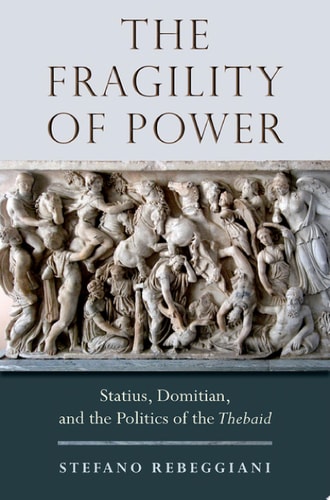
Statius' Narrative Of The Fraternal Strife Of The Theban Brothers Eteocles And Polynices Has Had A Profound Influence On Western Literature And Fascinated Generations Of Scholars And Readers. This Book Studies In Detail The Poem's View Of Power And Its Interaction With Historical Contexts. Written Under Domitian And In The Aftermath Of The Civil War Of 69 Ce, The Thebaid Uses The Veil Of Myth To Reflect On The Political Reality Of Imperial Rome. The Poem Offers Its Contemporary Readers, Including The Emperor, A Cautionary Tale Of Kingship And Power. Rooted In A Pessimistic View Of Human Beings And Human Relationships, The Thebaid Reflects On The Harsh Necessity Of Monarchical Power As The Only Antidote To A World Always On The Verge Of Returning To Chaos. While Humans, And Especially Kings, Are Fragile And Often The Prey Of Irrational Passions, The Thebaid Expresses The Hope That An Illuminated Sovereign Endowed With Clementia (mercy) May Offer A Solution To The Political Crisis Of The Roman Empire. Statius' Narrative Also Responds To Domitian's Problematic Interaction With The Emperor Nero, Whom Domitian Regarded As Both A Negative Model And A Secret Source Of Inspiration. With The Fragility Of Power, Stefano Rebeggiani Offers Thoughtful Parallels Between The Actions Of The Thebaid And The Intellectual Activities And Political Views Formulated By The Groups Of Roman Aristocrats Who Survived Nero's Repression. He Argues That The Poem Draws Inspiration From An Initial Phase In Domitian's Regime Characterized By A Positive Relationship Between The Emperor And The Roman Elite. Statius Creates A Number Of Innovative Strategies To Negotiate Elements Of Continuity Between Domitian And Nero, So As To Show That, While Domitian Recuperated Aspects Of Nero's Self-presentation, He Was No Second Nero. Statius' Poem Interacts With Aspects Of Imperial Ideology Under Domitian: Statius' Allusions To The Stories Of Phaethon And Hercules Engage Domitian's Use Of Solar Symbols And His
Menrva's Summary
THE THESIS
This book investigates how Statius' epic poem, the Thebaid, functions as a complex political commentary on the nature of kingship and imperial authority during the reign of Domitian. Stefano Rebeggiani, a scholar of classical literature, utilizes historical analysis and close textual reading to examine the poem's engagement with the aftermath of the civil war of 69 CE. He argues that the text serves as a cautionary narrative, balancing a pessimistic view of human nature with the hope for an illuminated sovereign capable of maintaining order through mercy.
THE SCOPE MAP
What You Will Find
- Analysis of the Thebaid's political allegory regarding the Roman Empire.
- Examination of the relationship between Domitian and the memory of Nero.
- Exploration of mythological allusions, specifically Phaethon and Hercules, as imperial symbols.
- Discussion of the Roman aristocratic perspective on monarchical power.
Scope Limits
- The analysis is restricted to the political and historical context of the Flavian dynasty.
- The book does not provide a general literary introduction to Statius for non-specialists.
THE AUTHORITY PERSPECTIVE
Scholars recognize this work as a significant contribution to the study of Flavian literature and its intersection with imperial ideology. Readers frequently note the academic density of the prose, which is tailored for those with a background in Latin literature and Roman history.
Page Count:
288
Publication Date:
2018-01-01
Publisher:
Oxford University Press
ISBN-10:
0190251824
ISBN-13:
9780190251826
History
Ancient - Rome
Literary Criticism
Community Tags
Similar Books