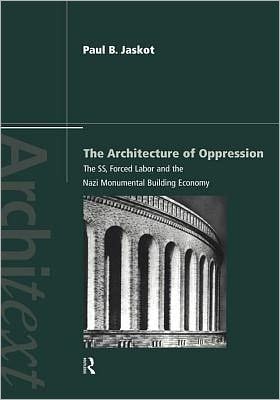
Architecture of Oppression: The SS, Forced Labor and the Nazi Monumental Building Economy
0
0
As an Amazon Associate and affiliate partner, Menrva Books earns from qualifying purchases. Learn more
Author Description
This book re-evaluates the architectural history of Nazi Germany and looks at the development of the forced-labour concentration camp system.
Menrva's Summary
THE THESIS
This work investigates the direct economic and structural relationship between the Nazi state's monumental building projects and the expansion of the forced-labor concentration camp system. Paul B. Jaskot, an art historian, utilizes archival records and administrative documents to demonstrate that the architectural ambitions of the Third Reich were not merely aesthetic, but were intrinsically linked to the industrial exploitation of prisoners. The book argues that the SS utilized construction projects as a primary mechanism for integrating concentration camps into the broader German economy.
THE SCOPE MAP
What You Will Find
- Analysis of the SS-owned construction firm, Deutsche Erd
- und Steinwerke (DEST).
- Examination of the logistical and economic planning behind monumental Nazi architecture.
- Case studies of specific building projects and their reliance on camp labor.
- Documentation of the intersection between architectural design and the dehumanization of the labor force.
THE AUTHORITY PERSPECTIVE
Historians and architectural scholars recognize this text as a critical examination of the material foundations of Nazi atrocities. Readers frequently note the academic density of the prose and the rigorous use of primary source documentation to support the author's economic arguments.
Page Count:
0
Publication Date:
2002-01-01
Publisher:
Taylor & Francis Group
ISBN-10:
0203007670
ISBN-13:
9780203007679
History
Architecture
Germany
Nazi Germany
Military History