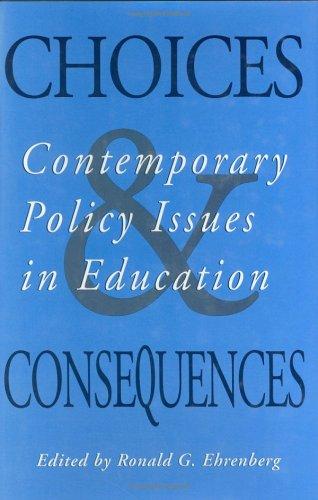
Choices and Consequences
0
0
As an Amazon Associate and affiliate partner, Menrva Books earns from qualifying purchases. Learn more
Author Description
Mill operatives walked off their jobs at Atlanta's Fulton Bag and Cotton Mills complex in the spring of 1914, initiating a strike that involved not only the class conflict inherent in a labor-management dispute, but also ethnic confrontations, gender divisions, social and economic reforms, regional and sectional differences, and the textile industry's rendition of the gospel of efficiency. The year-long strike that followed was singularly well documented, partly by the reports of labor spies paid by management to gather information about striking employees and disrupt union organizing activities. Closely following dramatic confrontations in the northeastern textile industry, the Fulton Bag strike attracted national attention, drawing teams of investigators from the United States Department of Labor and from the United States Commission on Industrial Relations. Their reports are further supplemented by an unusually detailed photographic record, as both sides sought to exploit the camera to win the country's sympathy. In this richly documented volume, Gary M. Fink asks why unionism failed and why industrialists in southern textiles behaved as they did. He suggests that southern textile manufacturers believed that they existed on the brink of economic ruin. The insecurities bred by that assumption, combined with their fervent belief in private property rights, dictated a specific approach to industrial relations.
Menrva's Summary
THE THESIS
The 1914 Fulton Bag and Cotton Mills strike in Atlanta serves as a focal point for examining the complex interplay of class, ethnicity, gender, and economic ideology within the American South's burgeoning textile industry. Ronald G. Ehrenberg's work delves into the year-long labor dispute, analyzing why unionization efforts ultimately failed and exploring the motivations behind the actions of southern textile industrialists. The book draws upon extensive documentation, including labor spy reports, official government investigations, and a significant photographic record, to reconstruct the events and the underlying social and economic forces at play. Ehrenberg posits that a pervasive sense of economic precarity among southern textile manufacturers, coupled with a strong adherence to private property rights, shaped their confrontational approach to industrial relations.
THE SCOPE MAP
- Analysis of the 1914 strike at Atlanta's Fulton Bag and Cotton Mills complex.
- Examination of class conflict, ethnic confrontations, and gender divisions during the dispute.
- Exploration of the role of social and economic reforms, and regional differences.
- Discussion of the textile industry's adoption of the 'gospel of efficiency'.
- Use of labor spy reports and government investigation findings.
- Inclusion of a detailed photographic record from both management and labor perspectives.
- Inquiry into the reasons for the failure of unionism in this context.
- Analysis of the economic insecurities and property rights beliefs driving industrialists' actions.
THE AUTHORITY PERSPECTIVE
Gary M. Fink's study is recognized for its meticulous documentation of the 1914 Fulton Bag and Cotton Mills strike, providing a comprehensive look at the multifaceted conflicts involved. The work is noted for its detailed examination of the social, economic, and industrial dynamics that characterized the labor dispute and the broader southern textile industry. Scholars have pointed to the book's insightful analysis of the industrialists' mindset, particularly their perceived economic vulnerabilities and their defense of property rights, as key to understanding their resistance to unionization. The extensive use of primary sources, including labor spy reports and photographic evidence, contributes to its authoritative perspective on this significant historical event.
Page Count:
152
Publication Date:
1994-01-01
ISBN-10:
0875463339
Non-Fiction
History
Southern History
Economic History
Industrial Relations
Labor history
Community Tags
Similar Books