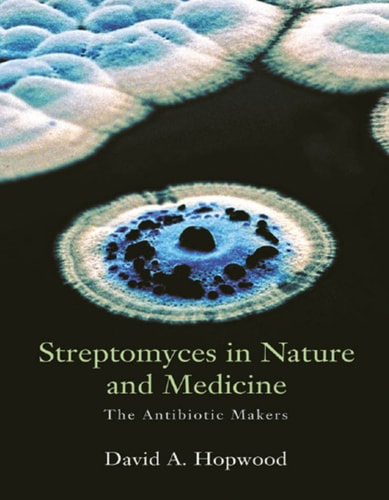
Streptomyces in Nature and Medicine: The Antibiotic Makers
0
0
As an Amazon Associate and affiliate partner, Menrva Books earns from qualifying purchases. Learn more
Author Description
This is an insiders account of 50 years of genetic studies of the soil-inhabiting microbes that produce most of the antibiotics used to treat infections, as well as anti-cancer, anti-parasitic and immunosuppressant drugs. The book begins by describing how these microbes the actinomycetes were discovered in the latter part of the nineteenth century, but remained a Cinderella group until, in the 1940s, they shot to prominence with the discovery of streptomycin, the first effective treatment for tuberculosis and only the second antibiotic, after penicillin, to become a medical marvel. There followed a massive effort over several decades to find further treatments for infectious diseases and cancer, tempered by the rise of antibiotic resistance consequent on antibiotic misuse and over-use. The book goes on to describe the discovery of gene exchange in the actinomycetes in the context of the rise of microbial genetics in the mid-20th century, leading to determination of the complete DNA sequence of a model member of the group at the turn of the millennium. There follow chapters in which the intricate molecular machinery that adapts the organisms metabolism and development to life in the soil, including antibiotic production, is illuminated by the DNA blueprint. Then come an up-to-the minute account of the use of genetic engineering to make novel, hybrid, antibiotics, and a topical description of techniques to learn the roles of the thousands of genes in a genome sequence, throwing a powerful light on the biology of the organisms and their harnessing for increasing antibiotic productivity. In the final chapter we return to the mycobacteria that cause tuberculosis and leprosy, the first actinomycetes to be discovered, and how methodology, in part derived from the study of the streptomycetes, is being applied to understand and control these still deadly pathogens.
Menrva's Summary
THE THESIS
This book investigates the biological mechanisms and genetic history of Streptomyces, the soil-dwelling microbes responsible for the production of a vast array of life-saving antibiotics and therapeutic compounds. Author David A. Hopwood, a prominent researcher in the field, synthesizes fifty years of genetic study to explain how these organisms evolved to produce complex secondary metabolites. He provides a comprehensive framework for understanding the transition from early 20th-century discovery to modern genomic sequencing and metabolic engineering.
THE SCOPE MAP
What You Will Find
- Historical overview of actinomycete discovery and the rise of streptomycin
- Analysis of microbial genetics and gene exchange mechanisms
- Detailed examination of the molecular machinery governing soil metabolism and antibiotic production
- Methodologies for genetic engineering and the creation of hybrid antibiotics
- Application of genomic data to combat tuberculosis and leprosy
Scope Limits
- The text focuses primarily on Streptomyces and closely related actinomycetes rather than broad-spectrum microbiology
- It assumes a foundational understanding of molecular biology and genetic terminology
THE AUTHORITY PERSPECTIVE
Experts recognize this work as a definitive account of the field, blending historical narrative with technical genetic analysis. Readers frequently note the academic density of the prose, which serves as a primary reference for students and professionals in microbiology and pharmacology.
Page Count:
260
Publication Date:
2007-01-01
Publisher:
Oxford University Press
ISBN-10:
0190287845
ISBN-13:
9780190287849
Science
History
Genetics
Pharmacology
Medicine
Medical
Streptomyces
Allied Health
Microbiology
Science History
Community Tags
Similar Books