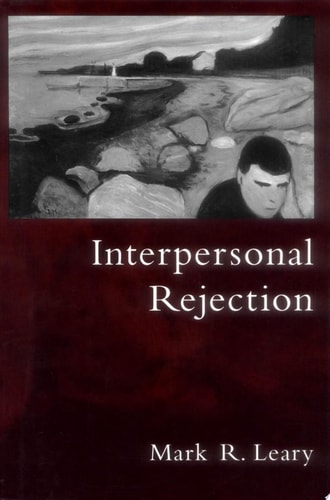
Interpersonal Rejection
0
0
As an Amazon Associate and affiliate partner, Menrva Books earns from qualifying purchases. Learn more
Author Description
Interpersonal rejection ranks among the most potent and distressing events that people experience. Romantic rejection, ostracism, stigmatization, job termination, and other kinds of rejections have the power to compromise the quality of people's lives. As a result, people are highly motivated to avoid social rejection, and, indeed, much of human behavior appears to be designed to avoid such experiences. Yet, despite the widespread effects of real, anticipated, and even imagined rejections, psychologists have devoted only passing attention to the topic, and the research on rejection has been scattered throughout a number of psychological subspecialties (e.g., social, clinical, developmental, personality). In the past few years, however, we have seen a surge of interest in the effects of interpersonal rejection on behavior and emotion. The goal of this book is to pull together the contributions of several scholars whose work is on the cutting edge of rejection research, providing a scholarly yet readable overview of recent advances in the area. In doing so, it not only provides a look at the current state of the area but also helps to establish the topic of rejection as an identifiable area for future research. Topics covered in the book include: ostracism, unrequited love, betrayal, stigmatization, rejection sensitivity, rejection and self-esteem, peer rejection in childhood, emotional responses to rejection, and personality moderators of reactions to rejection.
Menrva's Summary
THE THESIS
This volume investigates the psychological mechanisms, emotional consequences, and behavioral responses associated with interpersonal rejection. Mark R. Leary, a prominent social psychologist, compiles research from diverse subspecialties to synthesize a comprehensive understanding of how rejection impacts human life. The text argues that because rejection is a pervasive and distressing experience, it warrants focused study as a distinct area of psychological inquiry rather than a peripheral topic.
THE SCOPE MAP
What You Will Find
- Analysis of ostracism, unrequited love, and betrayal
- Examination of rejection sensitivity and its link to self-esteem
- Developmental perspectives on peer rejection in childhood
- Discussion of personality moderators that influence individual reactions to social exclusion
Scope Limits
- The text focuses primarily on psychological and social impacts rather than neurobiological or physiological mechanisms
- It does not provide clinical therapeutic interventions for individuals experiencing rejection
THE AUTHORITY PERSPECTIVE
Experts recognize this work as a foundational text that successfully consolidated scattered research into a coherent framework for future study. Readers frequently note the academic rigor of the prose while appreciating its accessibility for students and professionals in the behavioral sciences.
Page Count:
336
Publication Date:
2006-01-01
Publisher:
Oxford University Press
ISBN-10:
0190284722
ISBN-13:
9780190284725
Psychology
Behavioral Science
Human Relations
Research Methods
Allied Health
Developmental Psychology
Medical
Family & Consumer Sciences
Community Tags
Other Editions(4)

Similar Books





Reader Comments
Share Your Thoughts
No comments yet. Be the first to share your thoughts!