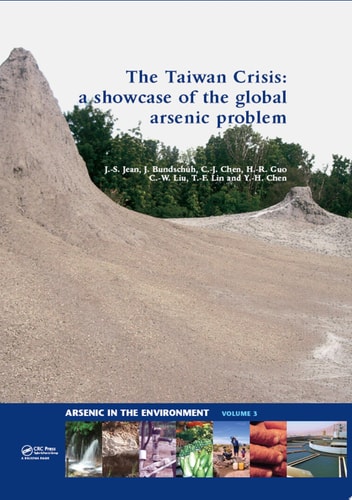
The Taiwan Crisis: A Showcase of the Global Arsenic Problem
0
0
As an Amazon Associate and affiliate partner, Menrva Books earns from qualifying purchases. Learn more
Author Description
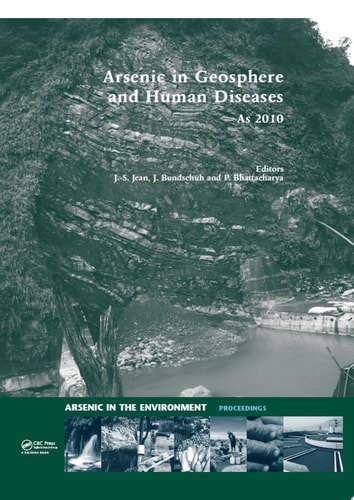
In the 1950s, the residents of the southwestern coastal areas of Taiwan suffered greatly from Blackfoot disease (BFD) due to the consumption of arsenic-contaminated groundwater. Groundwater with high levels of arsenic in southwestern and northeastern Taiwan received much attention. After arsenic-safe tap water was utilized for drinking instead of groundwater, the incidence of BFD decreased significantly. However, the long-term health effects of arsenic exposure on the residents of these areas still need to be addressed. This book provides a comprehensive overview of the arsenic problem in Taiwan, including the history of BFD, the geological and geochemical characteristics of arsenic-contaminated groundwater, the health effects of arsenic exposure, and the mitigation strategies that have been implemented.
Menrva's Summary
THE THESIS
This work investigates the historical and environmental crisis of arsenic-contaminated groundwater in Taiwan and its long-term impact on public health. The authors, a multidisciplinary team of researchers and scientists, utilize epidemiological data and geological surveys to document the prevalence of Blackfoot disease. They present a comprehensive framework for understanding how groundwater contamination occurs and the subsequent mitigation strategies required to protect human populations.
THE SCOPE MAP
What You Will Find
- Historical analysis of Blackfoot disease outbreaks in southwestern Taiwan during the 1950s.
- Geological and geochemical data regarding arsenic concentrations in coastal groundwater.
- Public health methodologies for transitioning from contaminated wells to safe tap water infrastructure.
- Case studies on the environmental pathways of arsenic and its toxicological effects on human physiology.
THE AUTHORITY PERSPECTIVE
Experts recognize this volume as a critical reference for environmental scientists and public health officials studying arsenic toxicity. Readers frequently note the technical density of the geochemical data provided throughout the text.
Page Count:
234
Publication Date:
2010-01-01
Publisher:
CRC Press
ISBN-10:
0203848063
ISBN-13:
9780203848067
Science
Public Health
Water Supply
Earth Sciences
Civil Engineering
Taiwan
Geology
Analytic
Toxicology
Community Tags
Similar Books