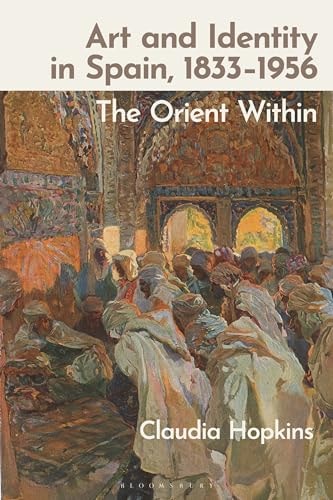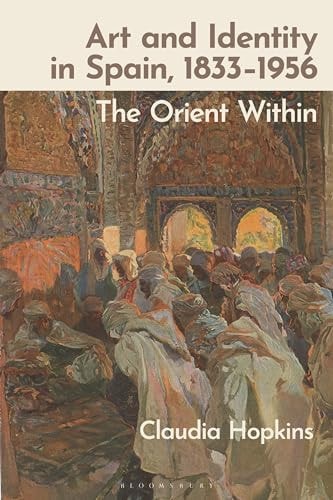
Art and Identity in Spain, 1833–1956: The Orient Within
0
0
As an Amazon Associate and affiliate partner, Menrva Books earns from qualifying purchases. Learn more
Author Description
Richly illustrated, this is the first study in English to explore the longevity of Orientalist art in Spain over a period of 120 years. It highlights how artists in Spain shaped perceptions of Al-Andalus (Iberia under Islam 711–1492) and northern Morocco, from Spain's liberal revolution of the 1830s to the end of the Protectorate of Morocco in 1956. Combining art history with a cultural studies approach, and using exemplary case studies, Hopkins foregrounds the diverse issues that underpin Orientalist expression: reflections on history and the nation, cultural nationalism, gender and sexuality, aesthetics and art commerce, colonialism and racial thinking. In the process, the book challenges over-familiar understandings of Western Orientalism. Beyond Fortuny and Sorolla, many unfamiliar artists and exhibitions are introduced, amongst them Villaamil, whose nostalgic landscapes evoked the loss of Andalusi culture; Bécquer, who celebrated Spanish-Moroccan peace-making through the lens of Velázquez; the Symbolist Rusiñol, whose images of the Alhambra are infused with melancholy; Morcillo, whose extraordinary camp images opened a new space for male subjectivity; Tapiró and Bertuchi, who dedicated their lives to Morocco, and the Moroccan Sarghini, who participated in the state-funded Painters of Africa exhibitions in Franco's Madrid – an annual exhibition that served the colonial concept of a Hispano-Moroccan brotherhood under the dictatorship. This book traces the shifting impulses and meanings of Orientalist expression in Spain. It makes an original intervention in the field of Spanish art studies and contributes new material to the ongoing debates about Western Orientalism.
Menrva's Summary
THE THESIS
This study investigates the enduring presence and evolving meanings of Orientalist art in Spain from the 1830s to the mid-1950s. Claudia Hopkins, drawing on her expertise in art history and cultural studies, examines how Spanish artists depicted Al-Andalus and northern Morocco, challenging conventional understandings of Western Orientalism. The book utilizes exemplary case studies to explore themes of national identity, colonialism, gender, and the art market, introducing both well-known and lesser-known artists and exhibitions.
THE SCOPE MAP
- The longevity and shifting impulses of Orientalist art in Spain (1833–1956).
- Artist perceptions of Al-Andalus and northern Morocco.
- Case studies of artists including Fortuny, Sorolla, Villaamil, Bécquer, Rusiñol, Morcillo, Tapiró, Bertuchi, and Sarghini.
- Exploration of themes such as history, national identity, cultural nationalism, gender, sexuality, aesthetics, art commerce, colonialism, and racial thinking.
- Analysis of exhibitions like the state-funded Painters of Africa in Franco's Madrid.
- A challenge to over-familiar understandings of Western Orientalism.
- Contributions to Spanish art studies and debates on Orientalism.
THE AUTHORITY PERSPECTIVE
This book is positioned as a significant contribution to the field of Spanish art studies, offering new material for ongoing debates about Western Orientalism. By foregrounding diverse issues and lesser-known artists, it aims to challenge conventional interpretations of the subject. The combination of art history and cultural studies approaches, supported by case studies, suggests a comprehensive and nuanced exploration of the topic. The work is likely to be of interest to scholars and students of art history, cultural studies, and postcolonial studies.
Page Count:
304
Publication Date:
2026-03-19
Publisher:
Bloomsbury Academic
ISBN-10:
1350428574
ISBN-13:
9781350428577
History
Non-Fiction
Art
Art History
Colonialism
Nationalism
Orientalism
Spanish Art
Gender Studies
Aesthetics