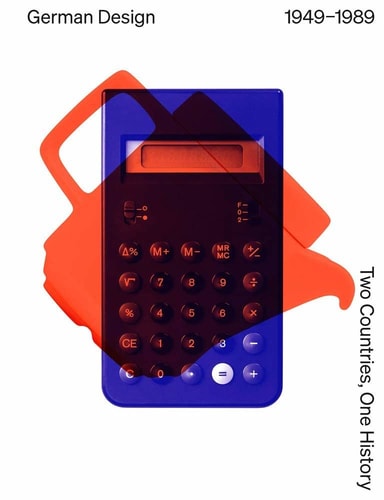
German Design 1949-1989: Two Countries, One History
0
0
As an Amazon Associate and affiliate partner, Menrva Books earns from qualifying purchases. Learn more
Author Description
The fertile dual evolution of design under socialism and capitalism in postwar Germany The cheap, colorful plastic designs of East Germany pitted against the cool functionalism of West German design: German Design 1949-1989: Two Countries, One History does away with such clichés. More than 30 years after German reunification, it presents a comprehensive overview of German design history of the postwar period for the first time ever. With over 300 illustrations and numerous examples from the fields of design--fashion, furniture, graphics, automobile, industrial and interiors--the book shows how design featured in daily life on both sides of the Wall, the important part it played in the reconstruction process and how it served as a propaganda tool during the Cold War. Key objects and protagonists--from Dieter Rams or Otl Aicher in the West to Rudolf Horn or Renate Müller in the East--are presented alongside formative factors such as the Bauhaus legacy and important institutions such as the Hochschule für Gestaltung (HfG) Ulm. The exceptional case of the division of Germany allows a unique comparative perspective on the role design played in promoting socialism and capitalism. While in the Federal Republic to the West, it became a generator of the export economy and the "Made in Germany" brand, in the East it was intended to fuel the socialist planned economy and affordability for broad sections of the population was key. While the book highlights the different realities of East and West, the many cross references that connected design in both are also examined. It impressively illustrates the many facets of German design history in the postwar period: from the domestic sphere to global politics, from industrial products to design's role as a tool of protest that foreshadowed the fall of the Berlin Wall in 1989.
Menrva's Summary
THE THESIS
This book investigates the parallel yet distinct evolution of design in East and West Germany from 1949 to 1989. It offers a comprehensive overview of postwar German design history, moving beyond simplistic East-West clichés to reveal the complex roles design played in daily life, economic reconstruction, and Cold War propaganda. The authors examine key objects, influential figures, and formative institutions, demonstrating how design served as a tool for promoting both capitalism and socialism. By comparing the divergent paths of design in the Federal Republic and the German Democratic Republic, the book illustrates its multifaceted impact from domestic products to political protest.
THE SCOPE MAP
- A comprehensive overview of German design history from 1949-1989, covering both East and West Germany.
- Over 300 illustrations showcasing examples from fashion, furniture, graphics, automobiles, industrial design, and interiors.
- Analysis of design's role in daily life, reconstruction, and as a propaganda tool during the Cold War.
- Presentation of key objects and protagonists from both East and West Germany, including Dieter Rams, Otl Aicher, Rudolf Horn, and Renate Müller.
- Exploration of formative factors such as the Bauhaus legacy and institutions like the HfG Ulm.
- Comparative perspective on how design promoted socialism and capitalism, its role in the export economy, and as a tool of protest.
THE AUTHORITY PERSPECTIVE
The book provides a thorough and comparative examination of German design during the postwar period, a topic often simplified into East-West dichotomies. It is lauded for its comprehensive scope, presenting over 300 illustrations to detail design's pervasive influence on daily life and its strategic use in political and economic contexts. The authors are recognized for their detailed research, highlighting key figures and institutions that shaped design in both socialist and capitalist Germany. This work offers a unique perspective on how design functioned as both a driver of economic policy and a subtle form of protest, ultimately contributing to the historical narrative of the era.
Page Count:
320
Publication Date:
2021-01-01
Publisher:
Vitra Design Museum
ISBN-10:
3945852447
ISBN-13:
9783945852446
Non-Fiction
History
Design
Cold War
Social History
Community Tags
Similar Books