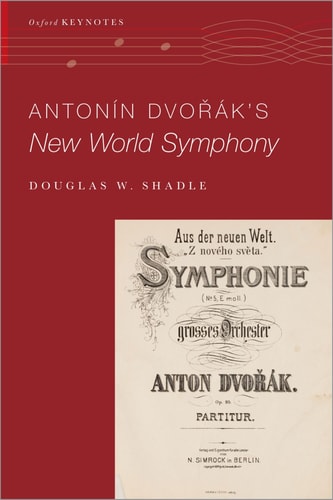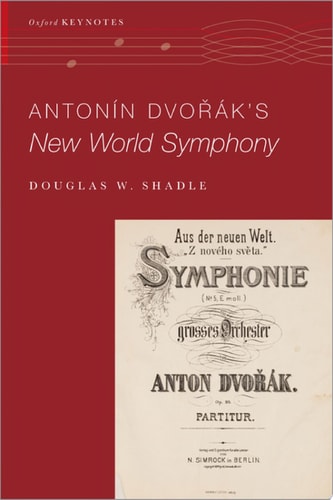
Antonín Dvořák's New World Symphony
0
0
As an Amazon Associate and affiliate partner, Menrva Books earns from qualifying purchases. Learn more
Author Description
Before Antonín Dvořák's New World Symphony became one of the most universally beloved pieces of classical music, it exposed the deep wounds of racism at the dawn of the Jim Crow era while serving as a flashpoint in broader debates about the American ideals of freedom and equality. Drawing from a diverse array of historical voices, author Douglas W. Shadle's richly textured account of the symphony's 1893 premiere shows that even the classical concert hall could not remain insulated from the country's racial politics.
Menrva's Summary
THE THESIS
This book investigates how Antonín Dvořák's New World Symphony functioned as a cultural flashpoint that exposed the racial tensions and political contradictions of the United States during the early 1890s. Douglas W. Shadle, a musicologist specializing in American symphonic music, utilizes archival research and contemporary press accounts to argue that the symphony was not merely an aesthetic achievement but a complex social document. He examines the intersection of Dvořák's artistic vision with the prevailing racial ideologies of the Jim Crow era, demonstrating how the work forced a national conversation regarding American identity and equality.
THE SCOPE MAP
What You Will Find
- Historical analysis of the 1893 premiere of the New World Symphony
- Examination of the racial climate in the United States during the late 19th century
- Contextualization of Dvořák's influence on American musical nationalism
- Synthesis of contemporary critical reception and public discourse
Scope Limits
- Does not provide a technical musicological breakdown of the symphony's score
- Does not serve as a comprehensive biography of Dvořák's entire career
THE AUTHORITY PERSPECTIVE
Scholars and music historians recognize this text as a significant contribution to the study of American cultural history and the reception of classical music. Readers frequently note the accessible yet rigorous prose, which successfully bridges the gap between musicology and social history for a general audience.
Page Count:
208
Publication Date:
2021-01-01
Publisher:
Oxford University Press
ISBN-10:
0190645652
ISBN-13:
9780190645656
Biography
American History
Humanities
Music History
Printed Music