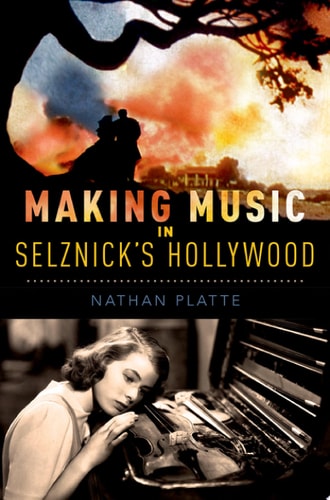
Making Music in Selznick's Hollywood
0
0
As an Amazon Associate and affiliate partner, Menrva Books earns from qualifying purchases. Learn more
Author Description
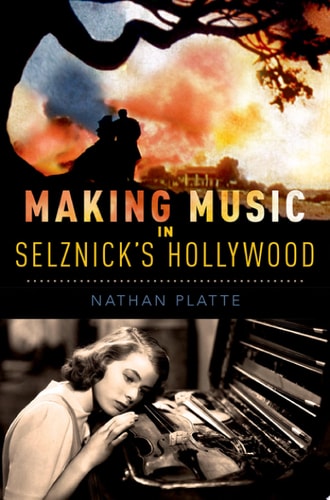
Through the rise and fall of the Hollywood studio system, David O. Selznick reigned as Hollywood's preeminent producer. His reputation depended in large part on music. The orchestral cacophony of King Kong, the pulsing electronic sonorities of Spellbound, and the Tara theme from Gone with the Wind made music a distinguishing feature of the Selznick experience. By flaunting music's role in film and overseeing its distribution through sheet music, concerts, radio broadcasts, and soundtrack albums, Selznick cultivated a fascination with film scores. But he did not do it alone. In Making Music in Selznick's Hollywood, Nathan Platte brings to light the men and women whose work sounds throughout Selznick's many films. The cast includes familiar composers like Max Steiner, Franz Waxman, and Dimitri Tiomkin, but extends to overlooked contributors, including music editor Audray Granville, orchestrator Hugo Friedhofer, harpist Louise Klos, choral director Jester Hairston, publicist Ted Wick, and many others. Novelists, studio writers, and directors like Alfred Hitchcock also influenced the soundscapes of Selznick's films. Whether working with the producer directly or managing his presence from a distance, all had to reckon with Selznick's musical preoccupations. Rarely was it easy. Rewritten scores, fired personnel, and other skirmishes reflect the troubles-and uneven compromises-that shaped music for films like Gone with the Wind, Duel in the Sun, and Rebecca. Even Selznick anticipated that such problems would "go down in the history of Hollywood as the last wild fling of people who really fiddled-and how!-while Hollywood burned." Drawing on extensive archival research, Platte recounts those stories here, tracing Selznick's musical labors during the silent era through his work at the major studios and his culminating efforts at Selznick International Pictures. Taken together, Selznick's films provide a sweeping vista of the relationships among musicians and filmmakers that d
Menrva's Summary
THE THESIS
How did David O. Selznick’s specific musical preoccupations and production methods shape the sonic identity of his films during the height of the Hollywood studio system? Nathan Platte, a scholar of film music and media, utilizes extensive archival research to examine the collaborative and often contentious relationships between Selznick and his creative teams. The book argues that Selznick’s influence extended beyond mere production, actively dictating the integration of music into the broader cultural and commercial landscape of mid-century cinema.
THE SCOPE MAP
What You Will Find
- Analysis of the production history of films including Gone with the Wind, Spellbound, and Rebecca.
- Profiles of key contributors such as Max Steiner, Franz Waxman, Audray Granville, and Hugo Friedhofer.
- Examination of the commercial distribution of film music through radio, concerts, and soundtrack albums.
Scope Limits
- The text focuses primarily on the professional sphere of Selznick’s productions and does not provide a comprehensive biography of his personal life outside of his work.
THE AUTHORITY PERSPECTIVE
Scholars and film historians frequently cite this work for its meticulous use of primary archival sources to illuminate the often-overlooked labor behind classic film scores. Readers note the academic rigor of the prose, which provides a detailed look at the internal power dynamics of the studio system.
Page Count:
408
Publication Date:
2017-01-01
Publisher:
Oxford University Press
ISBN-10:
0190698152
ISBN-13:
9780190698157
Biography
Film History
Criticism history
Graphic ArtsCommunicationsDesign
Printed Music
Professional Career & Trade
Motion pictures
Humanities
Music History
Community Tags
Other Editions(3)
Similar Books







Reader Comments
Share Your Thoughts
No comments yet. Be the first to share your thoughts!