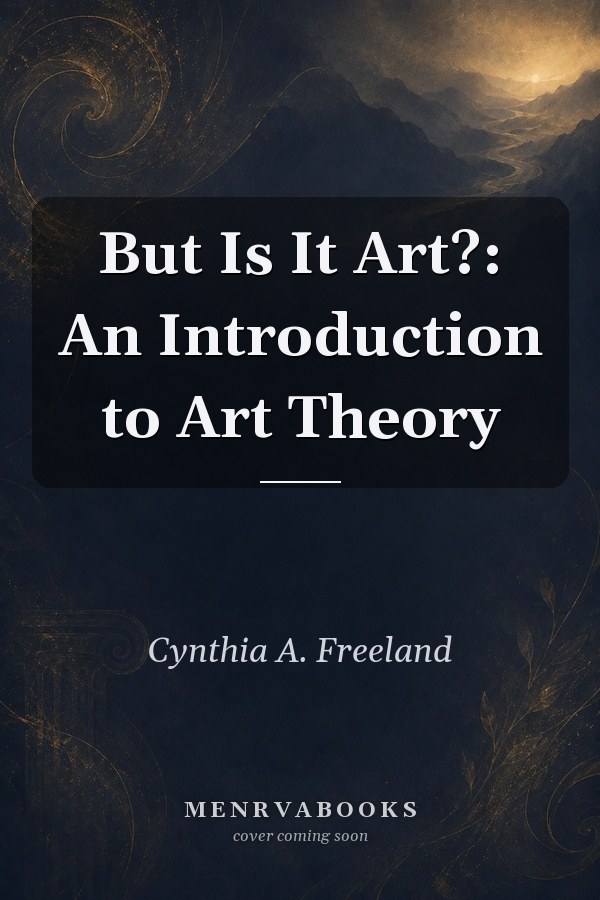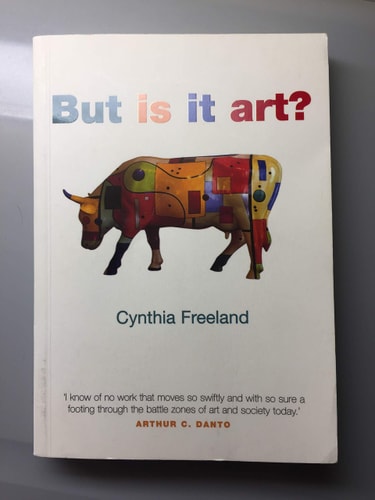
But Is It Art?: An Introduction to Art Theory
0
0
As an Amazon Associate and affiliate partner, Menrva Books earns from qualifying purchases. Learn more
Author Description
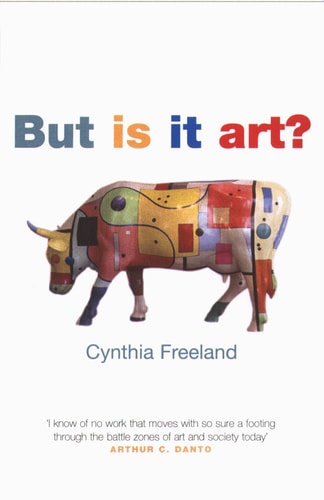
From Andy Warhol's Brillo boxes to provocative dung-splattered madonnas, in today's art world many strange, even shocking, things are put on display. This often leads exasperated viewers to exclaim--is this really art?In this invaluable primer on aesthetics, Freeland explains why innovation and controversy are so highly valued in art, weaving together philosophy and art theory with many engrossing examples. Writing clearly and perceptively, she explores the cultural meanings of art in different contexts, and highlights the continuities of tradition that stretch from modern often sensational works, back to the ancient halls of the Parthenon, to the medieval cathedral of Chartres, and to African nkisi nkondi fetish statues. She explores the difficulties of interpretation, examines recent scientific research into the ways the brain perceives art, and looks to the still-emerging worlds of art on the web, video art, art museum CD-ROMS, and much more. She also guides us through the various theorists of art, from Aristotle and Kant to Baudrillard. Throughout this nuanced account of theories, artists, and works, Freeland provides us with a rich understanding of how cultural significance is captured in a physical medium, and why challenging our perceptions is, and always has been, central to the whole endeavor.It is instructive to recall that Henri Matisse himself was originally derided as a "wild beast." To horrified critics, his bold colors and distorted forms were outrageous. A century later, what was once shocking is now considered beautiful. And that, writes Freeland, is art.
Menrva's Summary
THE THESIS
This book investigates the fundamental question of what constitutes art by examining the intersection of aesthetics, philosophy, and cultural history. Cynthia Freeland, a professor of philosophy, utilizes her academic background to bridge the gap between traditional art history and contemporary, often controversial, artistic practices. She argues that art is a dynamic, evolving category that relies on innovation and cultural context rather than static definitions of beauty or skill.
THE SCOPE MAP
What You Will Find
- Analysis of historical art movements from the Parthenon to medieval cathedrals.
- Examination of modern and contemporary art, including video, web-based media, and controversial installations.
- Philosophical frameworks from thinkers such as Aristotle, Kant, and Baudrillard.
- Integration of cognitive science research regarding human perception of visual stimuli.
Scope Limits
- The text does not provide a comprehensive history of every art movement or artist.
- It does not offer a definitive, singular answer to the question of what qualifies as art.
THE AUTHORITY PERSPECTIVE
Experts and educators frequently cite this text as an accessible, foundational introduction for students and laypeople interested in aesthetics. Readers often note that the prose remains clear and engaging despite the complex philosophical concepts presented throughout the chapters.
Page Count:
262
Publication Date:
2001-07-12
Publisher:
Oxford University Press
ISBN-10:
0192100556
ISBN-13:
9780192100559
Non-Fiction
Philosophy
Art Criticism
Art Theory
Aesthetics
Art History