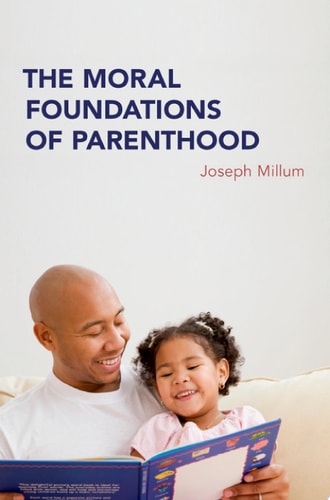
The Moral Foundations of Parenthood
0
0
As an Amazon Associate and affiliate partner, Menrva Books earns from qualifying purchases. Learn more
Author Description
Most people believe that parents have moral rights and responsibilities regarding their children. These rights and responsibilities undergird the nuclear family and are essential to the flourishing of its members. However, their basis and contents are hotly contested. Do a child's genetic parents have a right to parent her? The importance of genetic ties is affirmed by many people's gut responses, everyday talk, and many court decisions, but the moral justification for tying parenthood rights to genetics is unclear. Parents are routinely permitted to make far-reaching decisions about their children's medical care, education, religious practice, and even how to punish them. When can parental rights be limited by the interests of the child or society?Matters are no more settled when it comes to parental responsibilities. It is commonly thought that if a man conceives a child through voluntary sexual intercourse he acquires parental responsibilities, even if he took every precaution against conception. On the other hand, sperm donors are widely-though not universally-thought to have no responsibilities towards their progeny. What is the basis for these disparate judgments? Parents are expected to do a lot for their children as they raise them. But there are surely limits. Sometimes parents have to balance the needs of multiple family members or just want to have time for themselves. What is the extent of their parental responsibilities? In The Moral Foundations of Parenthood, Joseph Millum provides a philosophical account of moral parenthood. He explains how parental rights and responsibilities are acquired, what those rights and responsibilities consist in, and how parents should go about making decisions on behalf of their children. In doing so, he provides a set of frameworks to help solve pressing ethical dilemmas relating to parents and children.
Menrva's Summary
THE THESIS
This book investigates the philosophical justifications for the moral rights and responsibilities inherent in the parent-child relationship. Joseph Millum, a scholar in bioethics and political philosophy, utilizes normative ethical frameworks to analyze the legitimacy of parental authority. He examines how these rights are acquired, the extent of parental obligations, and the ethical boundaries that exist when balancing the interests of children, parents, and society.
THE SCOPE MAP
What You Will Find
- Philosophical analysis of genetic ties versus social parenting roles
- Ethical frameworks for decision-making regarding child welfare, education, and medical care
- Examination of the moral basis for parental responsibilities in cases of voluntary conception versus gamete donation
Scope Limits
- Does not provide legal advice or specific policy recommendations for individual jurisdictions
- Does not focus on the psychological development of children, prioritizing normative ethics over empirical child psychology
THE AUTHORITY PERSPECTIVE
Experts in bioethics and moral philosophy identify this work as a rigorous contribution to the literature on family ethics. Readers frequently note the analytical density of the prose, which serves as a structured resource for those navigating complex ethical dilemmas in modern parenting.
Page Count:
168
Publication Date:
2017-01-01
Publisher:
Oxford University Press
ISBN-10:
0190695455
ISBN-13:
9780190695453
Philosophy
Ethics
Sociology
Family Studies
Parenting
Law
Parenthood
Community Tags
Similar Books