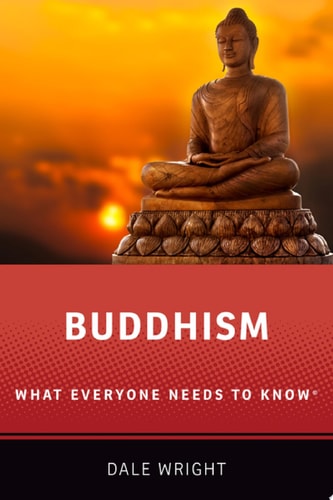
Buddhism
0
0
As an Amazon Associate and affiliate partner, Menrva Books earns from qualifying purchases. Learn more
Author Description
Why Would Everyone Need To Know Anything About Buddhism? One Important Reason Is That No Matter Who You Are Or Where You Live, Buddhism Is Part Of Your Cultural Environment. Whether We Know It Or Not, Most Of Us Have Buddhist Neighbors Or Communities Of Buddhists Living Not Far Away. Now More Than Ever Before Mutual Understanding Between People From Different Cultural Backgrounds Is Crucial. We Live And Work Together. We Share The Same Trains, Schools, Shopping Centers, Theatres, And Everything Else, And Mutual Understanding Is The Key To Productive, Peaceful Co-existence. But Getting Along With Others Isn't The Only Reason To Introduce Yourself To Buddhism, Nor Even The Best One. There Is Much That All Of Us Can Learn From Each Other, Knowledge That May In Fact Prove To Be Quite Useful In Shaping Our Own Ways Of Living. Many Of Us Have Been Doing That For Decades--taking An Interest In Cultural, Religious, And Philosophical Traditions Different From Our Own As A Way To Stretch Our Minds, To Broaden Our Understanding Not Just Of Other People But Of The Many Admirable Ways To Think About The World And The Many Ways To Live Creatively And Responsibly Within It. In This Respect Many People Who Were Not Raised Buddhists Have Discovered That Buddhism Has A Lot To Offer. Among The World's Religions It Is Certainly Unique. Indeed, Even Though Westerners Have Been Interested In Buddhism For Almost Two Centuries, Debate Still Continues Over What Buddhism Is. Is It A Religion? A Philosophy? A Way Of Life? A Set Of Techniques For Mental And Psychological Enhancement? It Appears To Function In All Of These Ways And Continues To Impress Observers With The Range Of Values It Offers-- Provided By Publisher.
Menrva's Summary
THE THESIS
This text investigates the core question of why Buddhism remains a relevant and significant subject for contemporary individuals regardless of their personal religious or cultural background. Author Dale Stuart Wright, a scholar of Buddhist studies, presents a framework that positions Buddhism as a multifaceted tradition that functions simultaneously as a religion, a philosophy, and a practical set of techniques for living. He argues that engaging with Buddhist thought provides valuable insights for personal development and fosters better social cohesion in an increasingly pluralistic world. The text utilizes historical context and philosophical analysis to explain why Western interest in the tradition has persisted for centuries.
THE SCOPE MAP
What You Will Find
- An overview of the diverse functions of Buddhism as a religion, philosophy, and psychological practice.
- A rationale for cross-cultural literacy in modern, multicultural societies.
- Analysis of the historical and ongoing Western engagement with Buddhist traditions.
Scope Limits
- The text does not provide an exhaustive historical timeline of all Buddhist sects.
- It does not serve as a technical manual for specific meditation practices or monastic rituals.
THE AUTHORITY PERSPECTIVE
Experts recognize this work as an accessible entry point for those seeking to understand the cultural and philosophical impact of Buddhism in the modern world. Readers frequently note the clarity of the prose, which avoids overly dense academic jargon while maintaining a scholarly perspective on the tradition's versatility.
Page Count:
241
Publication Date:
2020-01-01
Publisher:
New York, NY : Oxford University Press,
ISBN-10:
0190843683
ISBN-13:
9780190843687
Religion
Philosophy
Spirituality
Buddhism
Community Tags
Similar Books