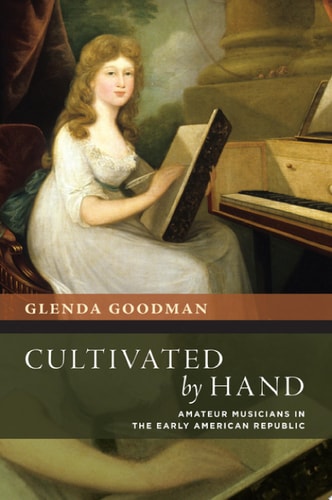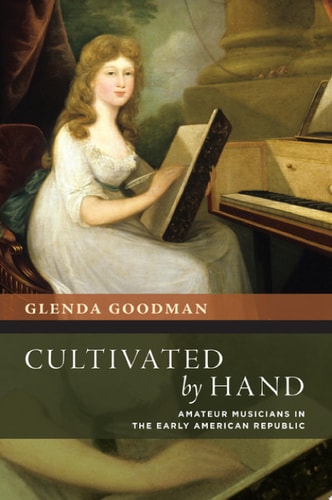
Cultivated by Hand: Amateur Musicians in the Early American Republic
0
0
As an Amazon Associate and affiliate partner, Menrva Books earns from qualifying purchases. Learn more
Author Description
Scattered in archives and historical societies across the United States are hundreds of volumes of manuscript music, copied by hand by eighteenth-century amateurs. Often overlooked, amateur music making played a key role in the construction of gender, class, race, and nation in the post-revolution years of the United States. These early Americans, seeking ways to present themselves as genteel, erudite, and pious, saw copying music by hand and performing it in intimate social groups as a way to make themselves--and their new nation-appear culturally sophisticated. Following a select group of amateur musicians, Cultivated by Hand makes the case that amateur music making was both consequential to American culture of the eighteenth century and aligned with other forms of self-fashioning. This interdisciplinary study explores the social and material practices of amateur music making, analyzing the materiality of manuscripts, tracing the lives of individual musicians, and uncovering their musical tastes and sensibilities. Author Glenda Goodman explores highly personal yet often denigrated experiences of musically "accomplished" female amateurs in particular, who grappled with finding a meaningful place in their lives for music. Revealing the presence of these unacknowledged subjects in music history, Cultivated by Hand reclaims the importance of such work and presents a class of musicians whose labors should be taken into account.
Menrva's Summary
THE THESIS
This book investigates how the practice of hand-copying and performing music served as a critical mechanism for social and national identity formation in the early American Republic. Glenda Goodman, a scholar of musicology, utilizes a diverse array of archival manuscript music and personal correspondence to argue that amateur music-making was a deliberate act of self-fashioning. By examining the intersection of gender, class, and piety, the author demonstrates how these musical labors allowed individuals to project sophistication and participate in the cultural construction of the nascent United States.
THE SCOPE MAP
What You Will Find
- Analysis of eighteenth-century manuscript music collections held in historical societies.
- Examination of the social and material practices surrounding amateur musical performance.
- Case studies focusing on the lives and musical sensibilities of female amateurs.
- Exploration of the connection between musical literacy and class status in post-revolutionary America.
Scope Limits
- The study focuses primarily on the eighteenth-century United States and does not extend into professional concert music or later nineteenth-century developments.
- The research does not provide a comprehensive survey of all amateur musicians, but rather selects specific representative figures for deep analysis.
THE AUTHORITY PERSPECTIVE
Scholars in the field of musicology and early American history identify this work as a significant contribution to the study of material culture and gendered musical practice. Readers frequently note the meticulous archival research and the author's ability to elevate the historical importance of previously overlooked amateur musicians.
Page Count:
276
Publication Date:
2020-01-01
Publisher:
Oxford University Press
ISBN-10:
0190884924
ISBN-13:
9780190884925
History
Feminist Theory
Cultural History
Humanities
Music
American History
Womens Studies
Gender Studies
Musicology
Music History