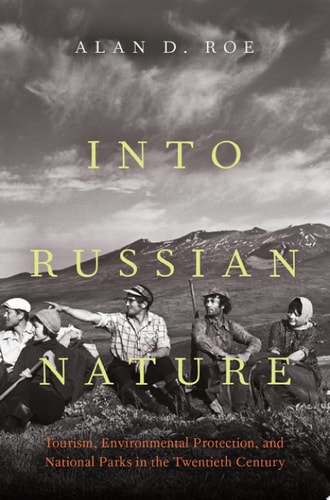
Into Russian Nature
0
0
As an Amazon Associate and affiliate partner, Menrva Books earns from qualifying purchases. Learn more
Author Description
Since The Early Twentieth Century, Nations Around The World Have Set Aside Protected Areas For Tourism, Recreation, Scenery, Wildlife, And Habitat Conservation. In Russia, Biologists And Geographers Had Been Intrigued With The Idea Of Establishing National Parks Before The Revolution, But Instead Persuaded The Government Successfully To Establish Nature Reserves (zapovedniki) For Scientific Research During The Ussr's First Decades. However, As The State Pushed Scientists To Make Zapovedniki More Useful During The 1930s, Some Of The System's Staunchest Defenders Started Supporting Tourism In Them. In Into Russian Nature, Alan D. Roe Offers The First History Of The Russian National Park Movement. In The Decades After World War Ii, The Ussr Experienced A Tourism Boom And Faced A Chronic Shortage Of Tourism Facilities. During These Years, Soviet Scientists Took Active Part In Western-dominated International Environmental Protection Organizations And Enthusiastically Promoted Parks For The Ussr As A Means To Expand Recreational Opportunities And Reconcile Environmental Protection And Economic Development Goals. In Turn, They Hoped They Would Bring International Respect To Soviet Nature Protection Efforts And Help Instill In Russian/soviet Citizens A Love For The Country's Nature And A Desire To Protect It. By The End Of The Millennium, Russia Had Established Thirty-five Parks To Protect Iconic Landscapes In Places Such As Lake Baikal. Meanwhile, National Park Opponents Presented Them As An Unaffordable Luxury During A Time Of Economic Struggle, Especially After The Ussr's Collapse. Despite Unprecedented Collaboration With International Organizations, Russian National Parks Received Little Governmental Support As They Became Mired In Land-use Conflicts With Local Populations. Exploring Parks From European Russia To Siberia And The Far East, Into Russian Nature Narrates Efforts, Often Frustrated By The State, To Protect Russia's Vast And Unique Physical Landscape.
Menrva's Summary
THE THESIS
This book investigates the historical development and political challenges of the Russian national park movement from the early twentieth century through the post-Soviet era. Alan D. Roe, a scholar of Russian environmental history, utilizes archival research and institutional records to trace the evolution of protected areas in Russia. He argues that the movement was shaped by a complex interplay between scientific research, state economic priorities, and international environmental trends. The text examines how these parks served as both tools for conservation and sites of intense socio-political conflict.
THE SCOPE MAP
What You Will Find
- The historical transition from the scientific zapovedniki system to the modern national park model.
- Analysis of Soviet-era tourism booms and the subsequent infrastructure shortages.
- Case studies of iconic landscapes including Lake Baikal and various regions from European Russia to the Far East.
- Documentation of the influence of international environmental organizations on Soviet policy.
Scope Limits
- The text does not provide a comprehensive guide to current tourism facilities or travel logistics for modern visitors.
- It does not focus on the biological specifics of individual species, but rather on the institutional and political history of land management.
THE AUTHORITY PERSPECTIVE
Experts recognize this work as a significant contribution to the field of environmental history, specifically regarding the unique trajectory of Russian land management. Scholars frequently note the thorough archival research and the clarity with which the author navigates the complex political shifts of the twentieth century.
Page Count:
352
Publication Date:
2020-01-01
Publisher:
Oxford University Press
ISBN-10:
0190914564
ISBN-13:
9780190914561
History
Nature
Geography
Russia
Conservation
Environmental History
Community Tags
Similar Books