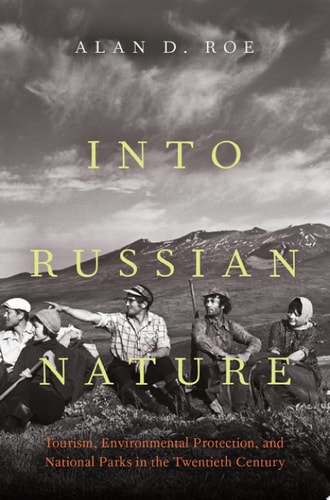
Into Russian Nature
0
0
As an Amazon Associate and affiliate partner, Menrva Books earns from qualifying purchases. Learn more
Author Description
Into Russian Nature Examines The History Of The Russian National Park Movement. Russian Biologists And Geographers Had Been Intrigued With The Idea Of Establishing National Parks Before The Great October Revolution, But Pushed The Soviet Government Successfully To Establish Nature Reserves (zapovedniki) During The Ussr's First Decades. However, As The State Pushed Scientists To Make Zapovedniki More Useful During The 1930s, Some Of The System's Staunchest Defenders Started Supporting Tourism In Them. In The Decades After World War Ii, The Ussr Experienced A Tourism Boom And Faced A Chronic Shortage Of Tourism Facilities. Also During These Years, Soviet Scientists Took Active Part In Western-dominated International Environmental Protection Organizations Where They Became More Familiar With National Parks. In Turn, They Enthusiastically Promoted Parks For The Ussr As A Means To Reconcile Environmental Protection And Economic Development Goals, Bring International Respect To Soviet Nature Protection Efforts, And Help Instil A Love For The Country's Nature And A Desire To Protect It In Russian/soviet Citizens. By The Late 1980s, Their Supporters Pushed Transformative, In Some Cases Quixotic, Park Proposals. At The Same Time, National Park Opponents Presented Them As An Unaffordable Luxury During A Time Of Economic Struggle, Especially After The Ussr's Collapse. Despite Unprecedented Collaboration With International Organizations, Russian National Parks Received Little Governmental Support As They Became Mired In Land-use Conflicts With Local Populations. While The History Of Russia's National Parks Illustrates A Bold Attempt At Reform, The State's Failure's To Support Them Has Left Russian Park Supporters Deeply Disillusioned. -- Provided By Publisher.
Menrva's Summary
THE THESIS
This book investigates the historical development and subsequent struggles of the Russian national park movement from the pre-revolutionary era through the post-Soviet period. Alan Roe, a scholar of Russian environmental history, utilizes archival research and institutional records to argue that the movement was a complex attempt to reconcile state-driven economic development with the preservation of natural landscapes. He examines how Soviet scientists navigated shifting political priorities, international environmental trends, and the eventual disillusionment following the collapse of the USSR.
THE SCOPE MAP
What You Will Find
- Historical analysis of the zapovedniki system and its transition toward national park models.
- Examination of the influence of international environmental organizations on Soviet policy.
- Case studies of land-use conflicts between park authorities and local populations.
Scope Limits
- The text focuses primarily on institutional and state-level policy rather than detailed ecological surveys of specific parks.
- It does not provide an exhaustive guide to current tourism facilities or contemporary park management practices.
THE AUTHORITY PERSPECTIVE
Scholars in the field of environmental history recognize this work as a significant contribution to understanding the intersection of Soviet science and land management. Readers frequently note the academic rigor of the research and the clarity with which the author navigates the complex political landscape of the twentieth-century Soviet Union.
Page Count:
0
Publication Date:
2020-01-01
Publisher:
New York : Oxford University Press,
ISBN-10:
0190914580
ISBN-13:
9780190914585
History
Conservation
Geography
Russian History
Environmental History
Soviet Studies
Community Tags
Similar Books