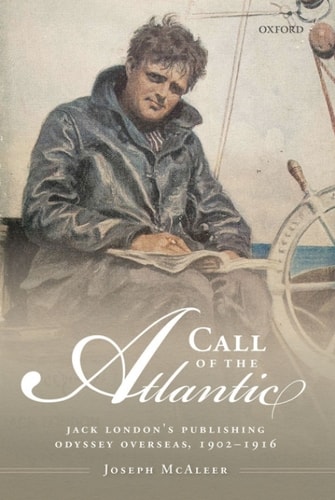
Call of the Atlantic: Jack London's Publishing Odyssey Overseas, 1902-1916
0
0
As an Amazon Associate and affiliate partner, Menrva Books earns from qualifying purchases. Learn more
Author Description
Jack London (1876-1916) is one of the most popular American authors in the world today. Two novels, The Call of the Wild and White Fang, are regarded as literary classics and have never been out of print. His forty-four published books, and hundreds of short stories and essays have been translated into more than 100 languages and hailed by critics worldwide. A vigorous self-promoter and the kind of media celebrity we would recognize today, London was America's first novelist to earn more than one million dollars a year from his writing (in today's currency). Call of the Atlantic reveals a side of London's life that has been largely overlooked by academics and critics, yet is essential to understanding the character, drive, and success of this extraordinary man -- namely, London's publishing odyssey overseas. Joseph McAleer considers how London achieved international fame, and the part that he played in engineering his own success. What makes London's dealings overseas especially interesting is that he made his own decisions, unlike many of his contemporaries who depended upon the good will of their agents and publishers. Through correspondence, McAleer reveals London's conversations and transactions, as well as the misunderstandings caused when letters (which could take up to three weeks to arrive) crossed in the mail. Emotions ran high, as did the constant need for money, and the picture that emerges of London is not a pretty one. It was his way or nothing as he played what he called the 'writing game' right through to his premature death, aged forty.
Menrva's Summary
THE THESIS
How did Jack London actively engineer his international literary success and manage his overseas publishing affairs between 1902 and 1916? Joseph McAleer, a scholar of publishing history, utilizes extensive archival correspondence to examine London's hands-on approach to the global book market. The book argues that London's aggressive self-promotion and direct involvement in business negotiations were central to his financial and critical success, challenging the notion that his fame was merely a byproduct of his writing talent.
THE SCOPE MAP
What You Will Find
- Analysis of London's international publishing contracts and negotiations
- Examination of the logistical challenges of early 20th-century global communication
- Detailed study of London's financial motivations and professional relationships
Scope Limits
- Does not provide a comprehensive literary critique of London's novels
- Focuses primarily on the business and administrative aspects of his career rather than his personal life outside of publishing
THE AUTHORITY PERSPECTIVE
Scholars and historians recognize this work as a significant contribution to the study of literary commerce and the professionalization of authorship. Readers frequently note the detailed use of primary source correspondence, which provides a candid look at the complexities of the early 20th-century publishing industry.
Page Count:
208
Publication Date:
2015-01-01
Publisher:
OUP Oxford
ISBN-10:
0191064998
ISBN-13:
9780191064999
Biography
History
Non-Fiction
Publishing History
Literary History
American History
American
Community Tags
Similar Books