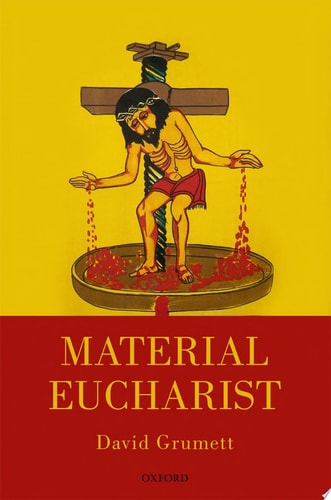
Material Eucharist
0
0
As an Amazon Associate and affiliate partner, Menrva Books earns from qualifying purchases. Learn more
Author Description
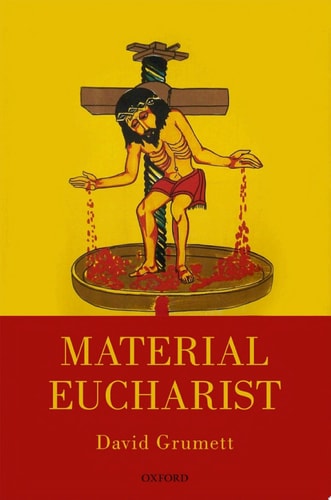
Material Eucharist interprets the Eucharist through its material elements of bread and wine. Drawing upon a rich variety of biblical, patristic, medieval, and modern texts and traditions, David Grumett brings together theological reflection and liturgical action and shows their mutual dependence. For both theologians and liturgists, a central concern is the matter out of which the created order has been made, from which issues of community and social justice are inseparable. The ingredients of bread and wine anticipate, in their harvesting and manufacture, the formal church liturgy, which is extended back into the world by the transformative priestly action of laypeople. Indeed, the transforming presence of Christ in the Eucharist as flesh and substance is theologically grounded in his transformative presence in the wider created order, as expressed in eucharistic giving and exchange between churches and their wider communities. Rooting the Eucharist in materiality suggests its primary context to be the death and resurrection of Christ in the power of the Spirit, in which its recipients may share. The many aspects of theology and liturgy with which the book deals have large implications for how the Eucharist is understood in a range of academic disciplines, and for how it is celebrated in churches today.
Menrva's Summary
THE THESIS
How does the materiality of bread and wine inform the theological and liturgical understanding of the Eucharist? David Grumett, a scholar of historical and systematic theology, synthesizes biblical, patristic, medieval, and modern traditions to argue that the physical elements of the sacrament are inseparable from the broader created order and social justice. He posits that the transformative presence of Christ in the Eucharist is grounded in his presence within the material world, extending the liturgical act into the daily lives and social exchanges of laypeople.
THE SCOPE MAP
What You Will Find
- Analysis of the theological significance of bread and wine as material substances.
- Integration of historical patristic and medieval liturgical traditions with modern theological reflection.
- Examination of the relationship between eucharistic celebration and social justice.
Scope Limits
- The text does not provide a practical 'how-to' guide for liturgical planning or church administration.
- It does not focus on the comparative study of non-Christian rituals or secular materialist philosophies.
THE AUTHORITY PERSPECTIVE
Scholars and theologians frequently identify this work as a rigorous contribution to sacramental theology that successfully bridges the gap between abstract doctrine and physical practice. Readers often note the academic density of the prose, which requires a foundational understanding of historical theology to fully grasp the author's arguments.
Page Count:
334
Publication Date:
2016-01-01
Publisher:
OUP Oxford
ISBN-10:
0191079774
ISBN-13:
9780191079771
Religion
Theology
Christian Liturgy
Philosophy of
Lords supper
Sacramental Theology
Community Tags
Other Editions(3)
Similar Books