Heartthrobs
0
0
As an Amazon Associate and affiliate partner, Menrva Books earns from qualifying purchases. Learn more
Author Description
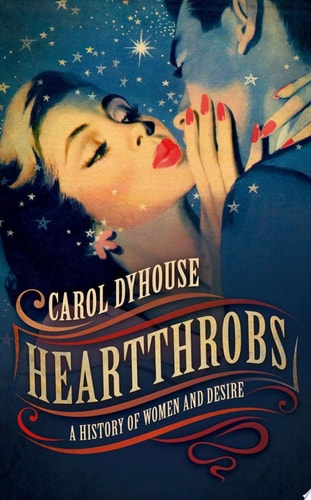
What Can A Cultural History Of The Heartthrob Teach Us About Women, Desire, And Social Change? From Dreams Of Prince Charming Or Dashing Military Heroes, To The Lure Of Dark Strangers And Vampire Lovers; From Rock Stars And Rebels To Soulmates, Dependable Family Types Or Simply Good Companions, Female Fantasies About Men Tell Us As Much About The History Of Women As About Masculine Icons. When Girls Were Supposed To Be Shrinking Violets, Passionate Females Risked Being Seen As 'unbridled', Or Dangerously Out Of Control. Change Came Slowly, And Young Women Remained Trapped In Double-binds. You May Have Needed A Husband In Order To Survive, But You Had To Avoid Looking Like A Gold-digger. Sexual Desire Could Be Dangerous: A Rash Guide To Making Choices. Show Attraction Too Openly And You Might Be Judged 'fast' And Undesirable. Education And Wage-earning Brought Independence And A Widening Of Cultural Horizons. Young Women In The Early Twentieth Century Showed A Sustained Appetite For Novel-reading, Cinema-going, And The Dancehall. They Sighed Over Rudolph Valentino's Screen Performances, As Tango-dancer, Arab Tribesman, Or Desert Lover. Contemporary Critics Were Sniffy About 'shop-girl' Taste In Literature And In Men, But As Consumers, Girls Had New Clout. In Heartthrobs, Social And Cultural Historian Carol Dyhouse Draws Upon Literature, Cinema, And Popular Romance To Show How The Changing Position Of Women Has Shaped Their Dreams About Men, From Lord Byron In The Early Nineteenth Century To Boy-bands In The Early Twenty-first. Reflecting On The History Of Women As Consumers And On The Nature Of Fantasy, Escapism, And 'fandom', She Takes Us Deep Into The World Of Gender And The Imagination. A Great Deal Of Feminist Literature Has Shown Women As Objects Of The 'male Gaze': This Book Looks At Men Through The Eyes Of Women.
Menrva's Summary
THE THESIS
This book investigates how the evolution of female desire and fantasies about men reflects broader shifts in the social, economic, and cultural status of women over the last two centuries. Carol Dyhouse, a social and cultural historian, utilizes a wide array of primary sources—including literature, cinema, and popular romance—to argue that the changing nature of the 'heartthrob' serves as a mirror for the changing position of women in society. By shifting the focus from the traditional 'male gaze' to the female perspective, the author examines how women have navigated double-binds regarding independence, sexuality, and consumer power.
THE SCOPE MAP
What You Will Find
- A historical survey of masculine icons from Lord Byron to modern boy-bands.
- Analysis of the impact of cinema, dancehalls, and literature on female identity.
- Examination of the tension between societal expectations of 'respectability' and the expression of female desire.
- Discussion of the role of women as active consumers in popular culture.
Scope Limits
- The text focuses primarily on Western cultural contexts and may not account for global variations in gender dynamics.
- It does not provide a comprehensive psychological study of individual attraction, focusing instead on broad cultural trends.
THE AUTHORITY PERSPECTIVE
Experts and readers frequently note that this text provides a well-researched, accessible entry point into the history of gendered consumption and fantasy. It is widely regarded as a significant contribution to cultural studies for its ability to synthesize popular media trends with rigorous historical analysis.
Page Count:
272
Publication Date:
2016-01-01
Publisher:
Oxford University Press
ISBN-10:
0191078387
ISBN-13:
9780191078385
Media Studies
Gender Studies
Womens History
Cultural History
Sociology
Community Tags
Similar Books