Hecuba
0
0
As an Amazon Associate and affiliate partner, Menrva Books earns from qualifying purchases. Learn more
Author Description
Also available in paperback. Please see page 00 for a full description.
Menrva's Summary
THE PULSE
Following the fall of Troy, the captive queen Hecuba faces the brutal execution of her children and the betrayal of her remaining allies. Driven by the loss of her kingdom and the murder of her son Polydorus, Hecuba transitions from a grieving mother to a calculated agent of vengeance. She navigates the shifting political landscape of the Greek camp, where the demands of war and sacrifice collide with her personal quest for justice. The narrative unfolds through the rigid structure of classical Greek drama, utilizing choral odes and intense dialogue to heighten the stakes of her moral and physical isolation. Hecuba must contend with the cold pragmatism of Odysseus and the duplicity of Polymestor, forcing her to abandon her former identity to secure a final, violent retribution.
INSIDE THE PAGES
- Exploration of the corrosive effects of war on the human psyche
- Use of the traditional Greek chorus to provide social and moral commentary
- Examination of the tension between divine justice and human cruelty
- Focus on the transformation of a royal figure into a vengeful exile
- Utilization of stichomythia to build tension during confrontational scenes
- Analysis of the moral ambiguity inherent in the Greek victory at Troy
- Incorporation of themes regarding the fragility of power and status
- Dramatic irony regarding the fate of the Trojan captives
THE COLLECTIVE ECHO
Readers and scholars frequently highlight the play's unflinching look at the cycle of violence and the dehumanizing nature of conflict. Discussion often centers on the moral complexity of Hecuba's final actions and whether her vengeance constitutes justice or further degradation. Critics often note the stark contrast between the initial lamentations of the queen and the cold, calculated nature of her eventual revenge. The play is widely regarded for its ability to maintain a high level of emotional intensity through its precise, rhythmic structure. Many readers find the exploration of betrayal and the loss of innocence to be particularly resonant within the context of classical literature.
Page Count:
112
Publication Date:
1991-04-25
Publisher:
Oxford University Press
ISBN-10:
0195042514
ISBN-13:
9780195042511
Drama
Greek Tragedy
Classical
Mythology
Dramatic works
Plays
Community Tags
Other Editions(12)
Independently Published
2019
Default edition
CreateSpace Independent Publishing Platform
2018
Wilder Publications, Incorporated
2013
Simon & Schuster
2013
Hackett Publishing
2005
Kessinger Publishing, LLC
2004
De Gruyter
1998
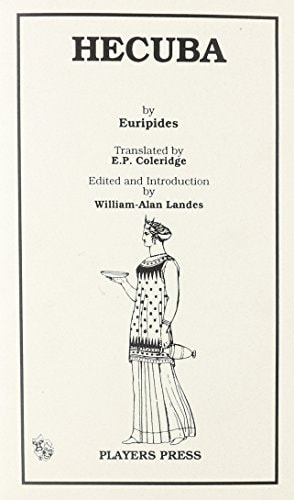
Players Press
1998

Dramatic Pub.
1996
Oxford University Press
1991
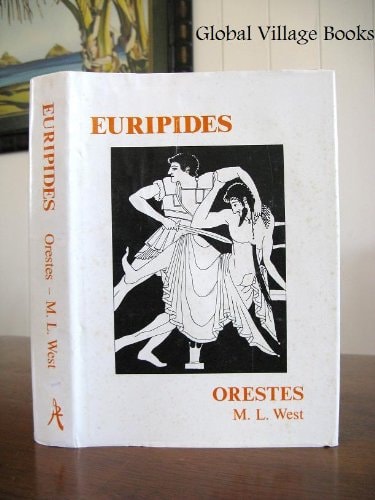
Aris & Phillips
1991

Cambridge University Press
1920
Reader Comments
Share Your Thoughts
No comments yet. Be the first to share your thoughts!