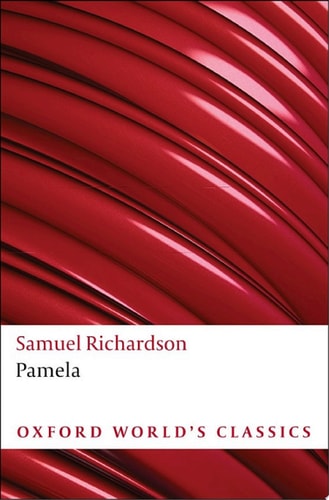
Pamela: Or Virtue Rewarded
0
0
As an Amazon Associate and affiliate partner, Menrva Books earns from qualifying purchases. Learn more
Author Description
'Pamela under the Notion of being a Virtuous Modest Girl will be introduced into all Familes,and when she gets there, what Scenes does she represent? Why a fine young Gentleman endeavouring to debauch a beautiful young Girl of Sixteen.' (Pamela Censured, 1741) One of the most spectacular successes of the burgeoning literary marketplace of eighteeent-century London, Pamela also marked a defining moment in the emergence of the modern novel. In the words of one contemporary, it divided the world 'into two different Parties, Pamelists and Antipamelists', even eclipsing the sensational factional politics of the day. Preached up for its morality, and denounced as pornography in disguise, it vividly describes a young servant's long resistance to the attempts of her predatory master to seduce her. Written in the voice of its low-born heroine, but by a printer who fifteen years earlier had narrowly escaped imprisonment for the seditious output of his press, Pamela is not only a work of pioneering psychological complexity, but also a compelling and provocative study of power and its abuse. Based on the original text of 1740, from which Richardson later retreated in a series of defensive revisions, this edition makes available the version of Pamela that aroused such widespread controversy on its first appearance. ABOUT THE SERIES: For over 100 years Oxford World's Classics has made available the widest range of literature from around the globe. Each affordable volume reflects Oxford's commitment to scholarship, providing the most accurate text plus a wealth of other valuable features, including expert introductions by leading authorities, helpful notes to clarify the text, up-to-date bibliographies for further study, and much more.
Menrva's Summary
THE PULSE
A young servant girl, Pamela Andrews, must navigate the predatory advances of her master while maintaining her moral integrity and social standing. Pamela finds herself in a precarious position after the death of her mistress, as the master of the house, Mr. B., begins to pursue her with unwanted intentions. She must rely on her wit and moral fortitude to resist his coercion, often documenting her internal struggle and external circumstances through a series of letters. The narrative framework is strictly epistolary, providing an intimate look at her thoughts as she faces the logical constraints of class hierarchy and the physical threat of her employer. Her objective is to preserve her virtue, which serves as the primary catalyst for the escalating conflict between the two characters.
INSIDE THE PAGES
- Epistolary narrative structure composed of letters and journal entries
- Exploration of class dynamics and power imbalances in 18th-century England
- Detailed psychological interiority of the protagonist
- Examination of the concept of virtue as a social and personal asset
- Use of domestic settings to heighten the sense of confinement and surveillance
- Contrast between the low-born heroine and the aristocratic antagonist
- Direct address to the reader through the protagonist's correspondence
- Focus on the moral and social consequences of seduction and marriage
THE COLLECTIVE ECHO
Discussion often centers on the polarizing nature of the protagonist's motivations and the author's intent regarding moral instruction versus sensationalism. Readers frequently highlight the effectiveness of the epistolary format in creating a sense of immediate, claustrophobic tension as the heroine attempts to outmaneuver her master. Critics often analyze the text as a foundational work that shifted the focus of literature toward the internal life of common characters. The work remains a subject of debate regarding whether it serves as a genuine defense of virtue or a calculated exercise in voyeuristic narrative. Scholars continue to examine how the power dynamics depicted reflect the broader social anxieties of the eighteenth-century literary marketplace.
Page Count:
591
Publication Date:
2001-01-01
Publisher:
OUP Oxford
ISBN-10:
0191605166
ISBN-13:
9780191605161
English & College Success
Social Commentary
Epistolary Novel
18th century
English
Classic Literature
Historical
Community Tags
Similar Books