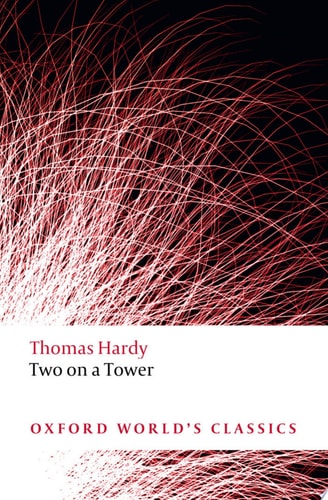
Two on a Tower
0
0
As an Amazon Associate and affiliate partner, Menrva Books earns from qualifying purchases. Learn more
Author Description
Published in 1882, his ninth novel, Two on a Tower is Hardy's most complete and daring treatment of the theme of love between characters of different classes and ages. Viviette, the married lady of the manor, is nine years older than Swithin St Cleve, the 20-year old `Adonis-astronomer', a `lad of striking beauty, scientific attainments, and cultivated bearing', the orphaned son of a curate who married the daughter of a family of farmers. The story of their love, both complex and remarkable, involves adultery and accidental polygamy. On publication some reviewers considered the novel to be immoral, and one suggested that the treatment of the Bishop of Melchester might be regarded as a `studied and gratuitous insult aimed at the Church'. This sensational tale is informed throughout by the astronomical images and reflections which were preoccupying Hardy at the time of the book's composition. This is the first critical edition of Two on a Tower. Based on a study of the manuscript and Hardy's revised printed versions, it presents a text in which many variants make their appearance in print for the first time.
Menrva's Summary
THE PULSE
A clandestine romance between a high-born woman and a young astronomer challenges the rigid social hierarchies of Victorian England. Viviette, a lady of the manor, initiates a relationship with Swithin St Cleve, a man nine years her junior and of lower social standing. Their connection faces constant pressure from societal expectations, financial instability, and the complications of Viviette's existing marriage. The narrative unfolds with a focus on the tension between individual desire and the restrictive moral codes of the nineteenth century.
INSIDE THE PAGES
- Exploration of class disparity and social mobility
- Integration of astronomical metaphors and scientific imagery
- Examination of the legal and moral complexities of marriage
- Critique of institutional religious authority
- Use of rural Wessex as a symbolic backdrop
- Focus on the psychological impact of social isolation
- Analysis of age-gap dynamics in romantic relationships
- Incorporation of themes regarding accidental polygamy and social scandal
THE COLLECTIVE ECHO
Discussion often centers on the unconventional nature of the relationship and Hardy's bold critique of Victorian social norms. Readers frequently highlight the author's use of astronomical imagery as a means to emphasize the insignificance of human concerns against the vastness of the cosmos. Critics often note the novel's controversial reception upon its initial release, particularly regarding its depiction of the Church and its treatment of marriage laws. The pacing is frequently described as deliberate, allowing for deep character introspection and the gradual development of the central conflict. Many readers find the narrative's focus on the intersection of science and human emotion to be a distinct feature of Hardy's broader body of work.
Page Count:
353
Publication Date:
1998-01-01
Publisher:
OUP Oxford
ISBN-10:
0191611174
ISBN-13:
9780191611179
Romance
Historical Fiction
Classic Literature
Mathematics - General
Victorian
Social Commentary
Community Tags
Other Editions(28)
Independently Published
2021
Default edition
Independently Published
2021

Independently Published
2020

Independently Published
2020

Independently Published
2020
Independently Published
2020

Independently Published
2018

CreateSpace Independent Publishing Platform
2018

CreateSpace Independent Publishing Platform
2018

Trieste Publishing Pty Limited
2017

CreateSpace Independent Publishing Platform
2016
BiblioBazaar
2016
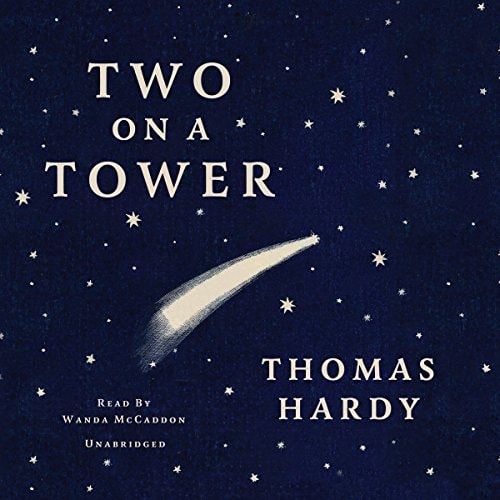
Blackstone Audio, Inc.
2015

CreateSpace Independent Publishing Platform
2015

CreateSpace Independent Publishing Platform
2015

CreateSpace Independent Publishing Platform
2015
Creative Media Partners, LLC
2015

CreateSpace Independent Publishing Platform
2015

CreateSpace Independent Publishing Platform
2014

Classic Books
2013

Hard Press
2006
1st World Library - Literary Society
2006

1st World Publishing
2004

Classic Books
2001

Oxford University Press
1999
OUP Oxford
1998
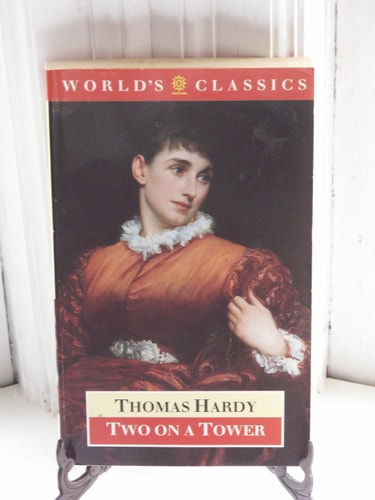
Oxford University Press
1993

St. Martin's
1981
Similar Books

Reader Comments
Share Your Thoughts
No comments yet. Be the first to share your thoughts!