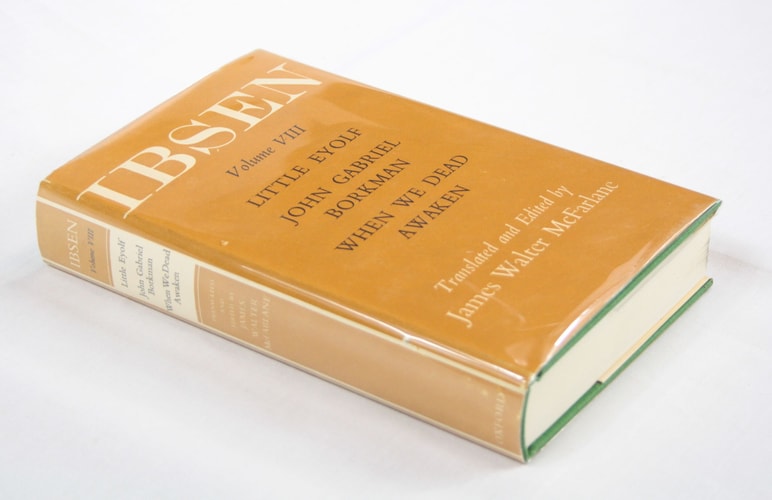
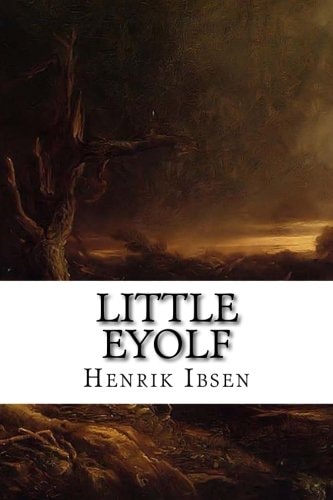
Little Eyolf
0
0
As an Amazon Associate and affiliate partner, Menrva Books earns from qualifying purchases. Learn more
Author Description
Little Eyolf is a play by Henrik Ibsen. It was first published in 1894. The play centers on the marriage of Alfred and Rita Allmers, whose relationship is strained by the presence of their disabled son, Eyolf. When Eyolf drowns, the couple is forced to confront their own selfishness and the reality of their marriage.
Menrva's Summary
THE PULSE
The sudden, tragic drowning of a young boy forces his parents to confront the long-buried secrets and moral failures that have defined their marriage. Alfred Allmers, a writer struggling with his magnum opus, and his wife Rita find their domestic life shattered by the death of their son, Eyolf. The narrative explores the psychological fallout of this loss, as the couple is forced to reconcile their conflicting desires and past resentments. Ibsen employs a tight, claustrophobic structure that centers on the domestic sphere, utilizing the arrival of the mysterious Rat Wife to catalyze the inevitable confrontation between the characters. The play functions as a rigorous examination of human ego and the destructive nature of possessive love.
INSIDE THE PAGES
- Use of symbolic figures like the Rat Wife to represent subconscious guilt
- Focus on the tension between intellectual ambition and domestic duty
- Exploration of the 'law of change' as a governing force in human relationships
- Minimalist setting that emphasizes the psychological state of the characters
- Dialogue-heavy scenes that reveal character history through subtext
- Examination of the role of disability and societal perception in the 19th century
- Integration of guilt as a primary driver for character transformation
- Non-linear revelation of past events through intense, confrontational exchanges
THE COLLECTIVE ECHO
Discussion often centers on the play's shift from naturalism toward a more symbolic and psychological mode of storytelling. Readers frequently highlight the stark, unforgiving nature of the dialogue as Ibsen strips away the pretenses of his characters. Critics often note that the play serves as a profound meditation on the necessity of self-sacrifice and the difficulty of achieving genuine human connection. The work is frequently analyzed for its bleak atmosphere and the uncompromising way it addresses the consequences of parental neglect. Many readers find the play's focus on the internal lives of the characters to be both challenging and intellectually rewarding.
Page Count:
404
Publication Date:
1977-01-01
Publisher:
Oxford Univ Pr
ISBN-10:
0192113879
ISBN-13:
9780192113870
Drama
Classic Literature
Dramatic works
Norwegian
Plays
Community Tags
Other Editions(16)
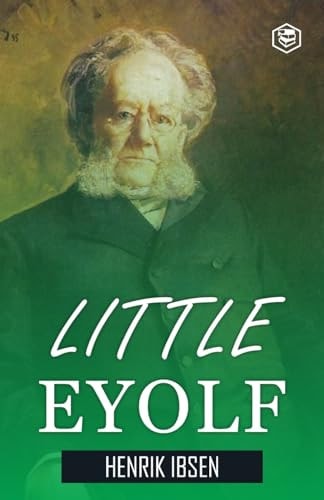
Sanage Publishing House Llp
2024
Default edition
Independently Published
2021

Lindhardt og Ringhof
2020
Independently Published
2019

CreateSpace Independent Publishing Platform
2016

CreateSpace Independent Publishing Platform
2016
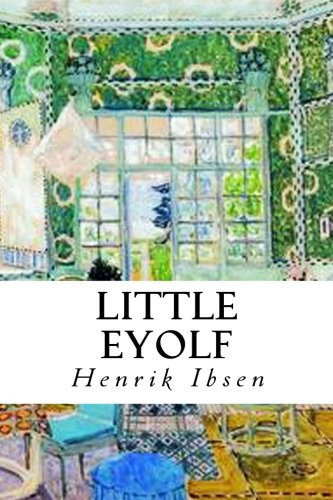
CreateSpace Independent Publishing Platform
2015
CreateSpace Independent Publishing Platform
2015

CreateSpace Independent Publishing Platform
2014

CreateSpace Independent Publishing Platform
2014

Digireads.com Publishing
2008

Echo Library
2007

Dodo Press
2005

Kessinger Publishing
2004

IndyPublish.com
2003
Oxford Univ Pr
1977
Similar Books






Reader Comments
Share Your Thoughts
No comments yet. Be the first to share your thoughts!