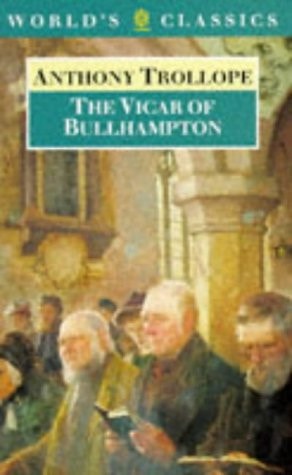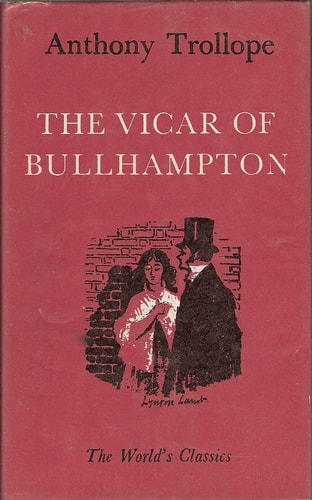
The Vicar of Bullhampton
0
0
As an Amazon Associate and affiliate partner, Menrva Books earns from qualifying purchases. Learn more
Author Description
Frank Fenwick, the vicar of the title and a likeable and energetic clergyman, sets out to prove a young man's innocence in a murder and to prevent the eviction of a prostitute from her home. Choosing a prostitute as a central female character, Trollope addresses a topical question of his how women should maintain due and proper regard for themselves without adopting either the manners of a prostitute or the political excesses of a feminist.
Menrva's Summary
THE PULSE
The Vicar of Bullhampton centers on the moral and social conflict ignited when a local clergyman defends a man accused of murder and advocates for a marginalized woman against the prejudices of his community. Frank Fenwick, an energetic and principled vicar, finds his objective of securing justice for the accused and protecting a vulnerable woman at odds with the rigid social hierarchy and judgmental attitudes of his parishioners. The narrative operates within the framework of Victorian social realism, utilizing a third-person omniscient perspective to examine the friction between individual conscience and communal expectations. The physical setting of Bullhampton serves as a microcosm for the broader societal tensions regarding class, gender, and moral standing in nineteenth-century England.
INSIDE THE PAGES
- Exploration of Victorian social hierarchies and class dynamics
- Examination of the moral status of women in the nineteenth century
- Use of a clergyman as a moral anchor and protagonist
- Focus on the tension between legal justice and social reputation
- Detailed depiction of rural English village life
- Integration of topical debates regarding gender roles and feminism
- Character-driven narrative focusing on ethical dilemmas
- Satirical commentary on the hypocrisy of the landed gentry
THE COLLECTIVE ECHO
Discussion often centers on Trollope's bold decision to place a prostitute as a central figure in a Victorian novel, which challenged the social norms of his era. Readers frequently highlight the balance between the lighthearted domestic scenes and the more serious, somber questions regarding justice and social ostracization. Critics often note the effectiveness of the protagonist's characterization, as he remains a steadfast and relatable figure despite the intense pressure from his community. The pacing is described as deliberate and steady, allowing for a thorough examination of the various social threads that define the village of Bullhampton. Many readers appreciate the nuanced approach to moral ambiguity, which avoids simplistic resolutions in favor of a more complex portrayal of human behavior.
Page Count:
540
Publication Date:
1988-01-01
Publisher:
Oxford University Press
ISBN-10:
0192502727
ISBN-13:
9780192502728
Family Saga
Classic Literature
Victorian
Genre Fiction
Domestic fiction
Social Realism